Sunscreen is a must-have in every skincare routine, but the variety of SPF ratings can be confusing. This guide is designed for grade 9 readers who want to understand the differences between SPF 30 and SPF 50, and learn how to use them for maximum protection. We'll explain the science, help you select the right SPF, and lay out step-by-step instructions for using sunscreen. By the end, you'll feel confident about integrating SPF into your daily beauty routine. Let’s get started!
Understanding SPF Ratings: What Does SPF 30 vs SPF 50 Mean?
The Science Behind SPF Numbers in Sunscreens
SPF stands for “Sun Protection Factor.” It measures how well a sunscreen can protect your skin from UVB rays, which cause sunburn. SPF 30 means you can stay in the sun 30 times longer without burning compared to unprotected skin. SPF 50 means you can stay 50 times longer. The higher the SPF number, the better the protection, but the increase isn’t always dramatic.
How SPF 30 and SPF 50 Protect Your Skin from UV Rays
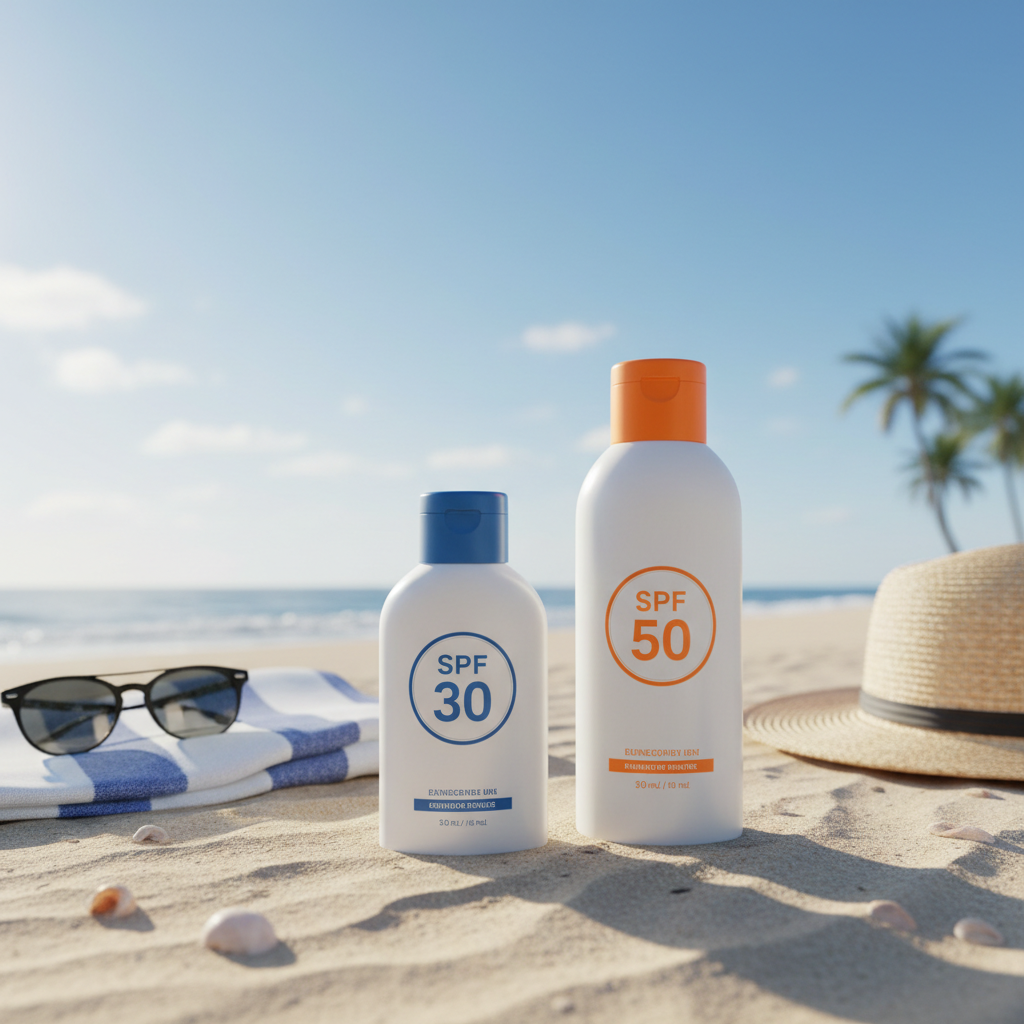
Both SPF 30 and SPF 50 block UVB rays, but SPF 30 filters out about 97% of UVB rays, while SPF 50 filters about 98%. The extra protection of SPF 50 can make a difference for people with fair skin or those spending a lot of time outdoors. However, no sunscreen gives 100% protection, so proper application is key.
SPF 30 vs SPF 50: Which One Should You Choose?
Assessing Your Skin Type and Sun Exposure Needs
Choosing between SPF 30 and SPF 50 depends on your skin type and sun exposure:
- If you have fair skin or burn easily, SPF 50 offers more protection.
- If you have medium or dark skin, SPF 30 may be sufficient for daily use.
- If you spend a lot of time outdoors, especially during peak sun hours, SPF 50 is recommended.
- If you are mostly indoors, SPF 30 can protect you from casual exposure.
Environmental Factors and Activity Level Considerations
Consider where you are and what you’re doing:
- Beach or mountain trips: SPF 50 is best. UV rays are stronger and you’re exposed longer.
- Swimming or sweating: Choose waterproof sunscreen, and reapply often, regardless of the SPF.
- Routine indoor activity: SPF 30 is usually enough, but be aware of windows that let UV in.
How to Apply SPF 30 and SPF 50 for Maximum Protection
Step-by-Step Sunscreen Application Techniques
- Shake the sunscreen bottle. This ensures the ingredients are mixed properly.
- Apply enough sunscreen: Use about two fingers' worth for your face, and a shot glass amount for your body.
- Dot sunscreen across your face or body for even coverage.
- Gently rub or pat the sunscreen into your skin until it is absorbed.
- Allow the sunscreen to dry for 15 minutes before going outside.
- For lips, use an SPF lip balm.
- Reapply every two hours and immediately after swimming or sweating.
Common Mistakes to Avoid When Using SPF
- Applying too little sunscreen reduces protection.
- Missing spots like ears, neck, feet, and back of hands.
- Using expired sunscreen—check the date before applying.
- Ignoring reapplication after water activities or sweating.
SPF 30 vs SPF 50 in Daily Beauty Routines
Choosing the Right SPF for Makeup, Moisturizers, and Serums
Many beauty products now include SPF. Here's what to keep in mind:
- SPF in makeup or moisturizer is handy, but usually not enough. Layer with regular sunscreen for better protection.
- For oily or sensitive skin, choose SPF formulas made for your skin type.
- SPF 50 is ideal for days outdoors; SPF 30 works for most indoor days.
Layering Sunscreen with Other Beauty Products
- Cleanse your face.
- Apply serum or moisturizer if used.
- Apply sunscreen (SPF 30 or SPF 50) as the last skincare step.
- Wait 10 minutes before applying makeup.
- Use powder or spray SPF on top for touch-ups during the day.
Frequently Asked Questions About SPF 30 vs SPF 50
Is Higher Always Better?
SPF 50 provides a bit more protection than SPF 30, but the difference is only about 1%. Consistent application matters more than a higher number.
How Often Should You Reapply SPF?
Reapply every two hours, and after swimming, sweating, or wiping your skin. This rule applies to all SPF levels.
Are There Differences in Ingredients?
SPF 30 and SPF 50 can use similar ingredients, but higher SPF often contains more active sun-blocking ingredients. Check labels if you are sensitive or allergic.
Expert Advice: Dermatologist Recommendations for 2026
- Pick sunscreen with broad-spectrum coverage, meaning it protects against both UVA and UVB rays.
- Choose SPF 30 or higher for daily use; SPF 50 for extended outdoor activities.
- Look for formulas suited to your skin type—gel for oily, cream for dry, mineral for sensitive skin.
- Never skip sunscreen, even on cloudy days or indoors near windows.
- Get in the habit of making sunscreen the last step in your morning routine.
Preparation: Tools and Materials You Need
- SPF 30 and SPF 50 sunscreen
- Mirror for application
- Cleansing products (for prepping skin)
- Moisturizer, serum, makeup (optional)
- SPF lip balm
- Hat and sunglasses for extra protection
Step-by-Step Tutorial: Detailed Operations
- Wash your face and body parts to remove oil, dirt, and makeup.
- Dry your skin completely.
- If using moisturizer or serum, apply it first and allow it to absorb.
- Apply sunscreen generously to all exposed skin.
- Wait 10-15 minutes before getting dressed or moving outdoors.
- Reapply every two hours, and after swimming or sweating.
- For days with heavy sun exposure, choose SPF 50. For everyday indoor activities, SPF 30 is fine.
Common Problems and Solutions
- Problem: Sunscreen feels greasy or causes breakouts.
Solution: Switch to gel or mineral formulas designed for your skin type. - Problem: Forgetting to reapply.
Solution: Set alarms or keep sunscreen in your bag. - Problem: Burning despite using SPF.
Solution: Check if you are applying enough and reapplying often. Consider SPF 50 and protective clothing.
Advanced Tips: Optimization and Improvement Suggestions
- Combine sunscreen with hats, sunglasses, and clothing for extra UV protection.
- Choose water-resistant sunscreen for activities involving water or sweat.
- Apply sunscreen to all exposed skin, not just the face.
- Use SPF year-round, not just during summer.
- Track product expiration dates to maintain effectiveness.
Summary: Key Points and Next Steps
- SPF 30 and SPF 50 both help prevent sunburn, but SPF 50 offers a bit more UV protection.
- Choose your SPF based on your skin type, environment, and daily activities.
- Apply sunscreen generously and reapply every two hours.
- Layer sunscreen with other beauty products for the best skin protection.
- Follow dermatologist advice for healthy, protected skin in 2026.
Now that you know the differences between SPF 30 and SPF 50, start making sunscreen a part of your daily beauty and skincare routine. Protect your skin today for a beautiful, healthy tomorrow!