
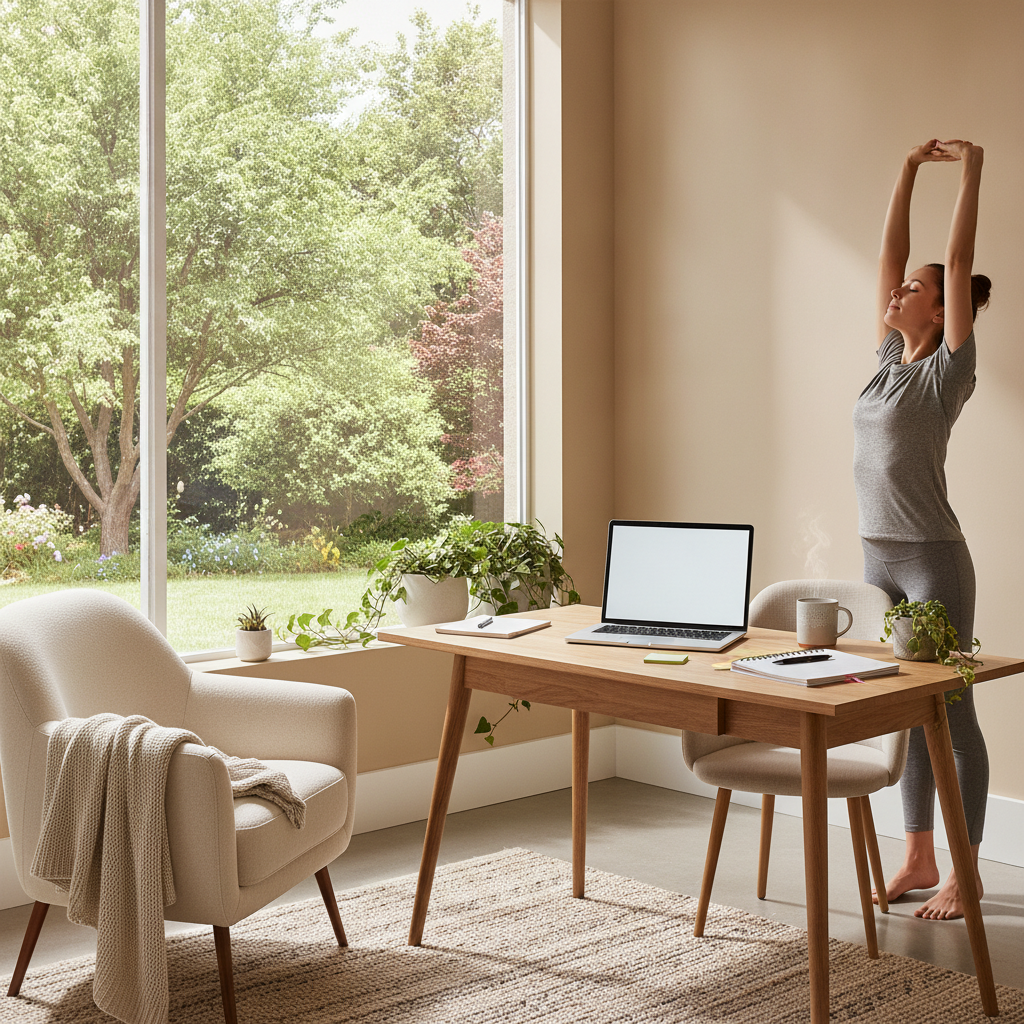
Understanding Productivity Without Burnout
What Is Burnout and Why Does It Happen?
Burnout is a state where you feel extremely tired and lose motivation because of too much stress or work. It happens when you push yourself too hard for too long without enough rest or fun. Understanding burnout is important so you can avoid it and stay healthy while being productive.
Signs You’re Heading Toward Burnout
- Feeling very tired, even after sleeping
- Losing interest in activities you used to enjoy
- Having trouble focusing or remembering things
- Being more irritable or impatient
- Noticing changes in your eating or sleeping habits
The Relationship Between Productivity and Well-Being
Productivity is about doing your work efficiently. But if you only focus on getting things done and ignore breaks or self-care, your well-being suffers. A good balance means you achieve a lot and still feel happy, healthy, and energetic. In summary, real productivity includes taking care of yourself.
Planning Your Day for Sustainable Productivity
Setting Realistic Goals and Priorities
- List all tasks you want to accomplish.
- Choose the top three most important tasks for the day.
- Estimate how much time each task will take.
- Make sure your goals are possible to achieve in one day.
- If a task feels too big, break it into smaller steps.
Time-Blocking vs. Task Lists: Which Works Best?
There are two main ways to organize your day:
- Time-Blocking: You assign specific hours for each task (for example, 9-10 a.m. for homework). This helps you focus but can feel strict.
- Task Lists: You finish tasks in any order without set times. This gives flexibility but requires discipline to avoid procrastinating.
Try both methods to see which one fits you better.
Scheduling Breaks for Energy Management
- Set a timer for regular breaks (for example, work 25 minutes, break 5 minutes).
- During breaks, stand up, stretch, walk around, or drink water.
- Give yourself a longer break (15–30 minutes) after 2–3 work sessions.
- Avoid using your phone or social media during every break to let your mind rest.
Mindful Routines to Start and End Your Day
Morning Rituals for Productive Energy
- Wake up at the same time every day.
- Drink a glass of water to wake up your body.
- Do a quick stretch or a simple exercise.
- Read or listen to something positive for inspiration.
- Review your main goals for the day to stay on track.
Evening Wind-Down Practices
- Create a bedtime routine to signal your brain it’s time to relax.
- Avoid screens (like phone or TV) at least 30 minutes before bed.
- Write down what you achieved and what you want to do tomorrow.
- Read a book or listen to calm music.
- Try deep breathing or meditation for a few minutes before sleep.
Strategies to Stay Focused Without Overexertion
Using the Pomodoro Technique Effectively
- Pick a task you want to complete.
- Set a timer for 25 minutes and work only on that task.
- When the timer rings, take a 5-minute break.
- Repeat the cycle four times, then take a longer break (15–30 minutes).
- If you get distracted, gently bring your focus back to the task.
Smart Ways to Minimize Distractions
- Find a quiet place to work or use headphones with soft music.
- Put your phone on “Do Not Disturb” or leave it in another room.
- Close any websites or apps you don’t need for your task.
- Let others know not to disturb you during your focus times.
- Keep only the materials you need on your desk.
When to Say No: Avoiding Overcommitment
- Check your schedule before agreeing to new tasks or activities.
- If your day already feels full, politely say you can’t add more right now.
- Remember that it’s okay to focus on your priorities.
- If you feel pressured, explain you need time to consider before agreeing.
- Practice saying, “I appreciate the offer, but I have to finish my current work first.”
Balancing Work, Rest, and Self-Care Throughout the Day
Integrating Short Mindfulness Exercises
- Try a one-minute breathing exercise: Inhale deeply, hold, exhale slowly.
- Notice sounds, smells, or sights around you to help your mind relax.
- Stretch your arms and legs to release tension.
- Focus on one thing at a time; let go of thoughts about other tasks.
- Repeat mindfulness exercises any time you feel stressed or distracted.
The Role of Nutrition and Physical Activity
- Eat regular, balanced meals with fruits, vegetables, protein, and grains.
- Drink enough water throughout the day.
- Avoid too much sugar or caffeine, which can make you tired later.
- Take short walks or stretch between tasks to keep your body active.
- Do at least 20 minutes of exercise daily for better focus and health.
Making Time for Hobbies and Social Connections
- Schedule time for hobbies, like drawing, music, or reading, every day.
- Chat with family or friends, even if it’s only for a few minutes.
- Join a group or club that enjoys the same activities as you.
- Remember, having fun and connecting with others reduces stress and boosts creativity.
- Keep a balance; don’t let hobbies or social time interrupt your work priorities.
Tools and Apps for Managing Productivity Without Burnout
Best Productivity Apps for 2026
- Notion: Combine notes, task lists, and reminders in one place.
- Todoist: Organize and prioritize tasks easily.
- Focus Booster: Helps you use the Pomodoro Technique with timers and reports.
- Google Calendar: Schedule events, tasks, and reminders efficiently.
Wellness Trackers and Mindfulness Tools
- Headspace: Guided meditation and mindfulness exercises.
- Calm: Breathing exercises, sleep stories, and relaxing music.
- Fitbit or any fitness tracker: Monitor daily steps, heart rate, and activity levels.
- Pzizz: Helps improve sleep and relaxation.
FAQ: Common Questions About Productive Yet Balanced Days
- Q1: What if I still feel tired even though I’m taking breaks?
A: Make sure you’re getting enough sleep and eating healthy. If tiredness continues, talk to someone you trust or a doctor. - Q2: How do I choose my top priorities?
A: Focus on tasks that matter most for your goals and well-being. It’s okay to leave less important things for another day. - Q3: Is it okay to rest even if all my work isn’t done?
A: Yes! Rest helps your brain and body recover so you can be more productive later. - Q4: How can I avoid procrastination?
A: Break big tasks into smaller steps and use timers to keep moving forward. - Q5: What if others don’t respect my work time?
A: Explain your schedule kindly and ask for their support. Use headphones or a sign to show when you’re busy.
Final Tips for Creating Your Burnout-Free Productivity Plan
- Keep your daily goals realistic and flexible.
- Use time-blocking or task lists to structure your day.
- Remember to take meaningful breaks and adjust as needed.
- Start and end your day with mindful routines.
- Use tools and apps that support both productivity and wellness.
- Balance work with rest, hobbies, and social connections every day.
- Listen to your body and emotions—change your plan if you feel overwhelmed.
- Remember: True productivity means working well without losing your happiness or health.