Retinol vs Retinoid: Key Basics You Need to Know
Definitions and Main Differences Explained
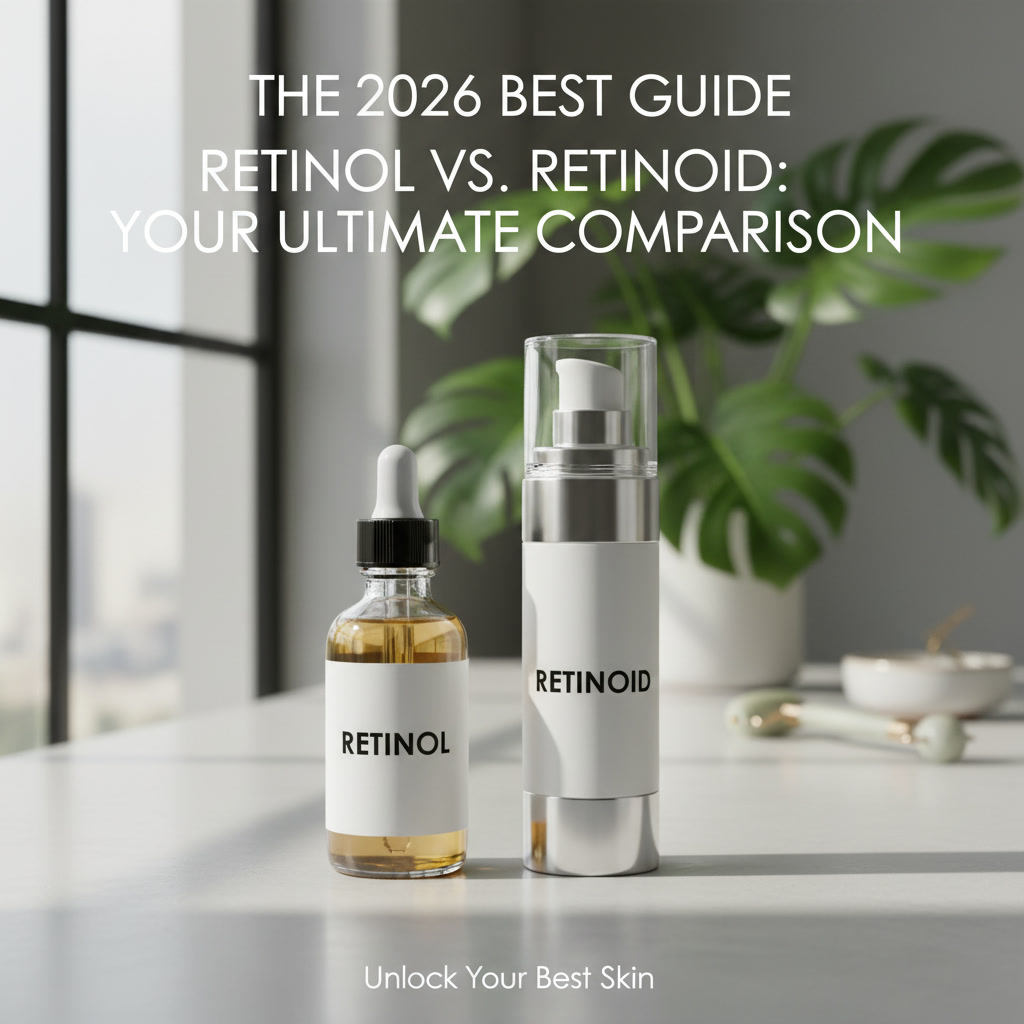
Retinol and retinoids are both forms of vitamin A used in skincare. Retinoids is the general term for all vitamin A molecules, while retinol is a specific type of retinoid. Retinoids can refer to both prescription and over-the-counter (OTC) options, but retinol is usually found in OTC products. Retinol is gentler, while some retinoids are much stronger and need a doctor’s prescription.
Common Forms in Beauty Products
- Retinol: Most common in night creams and serums. Great for beginners.
- Retinaldehyde: Middle strength, less common in shops.
- Adapalene: OTC retinoid, focused on acne treatments.
- Tretinoin (Retinoic Acid): Prescription-only, very strong.
- Tazarotene & Trifarotene: Prescription retinoids for severe skin issues.
How Retinol and Retinoids Work on Skin
Both retinol and retinoids increase skin cell turnover. They help your skin remove old cells and make new ones. This can reduce fine lines, clear acne, and improve skin texture. Prescription retinoids work faster but can be more irritating. Retinol is milder but still effective with regular use.
How to Choose Between Retinol and Retinoid for Your Skin
Skin Types and Concerns: What Works Best?
- Sensitive skin: Start with retinol. It’s gentler and less likely to cause irritation.
- Oily or acne-prone skin: Adapalene or prescription retinoids are often more helpful.
- Mature skin: Higher-strength retinoids may give faster anti-aging results.
- Normal skin: Both options can work. Start slow, see how your skin reacts.
Strength, Potency, and Availability
| Type | Strength | Where to Get |
|---|---|---|
| Retinol | Low–Medium | Stores, OTC products |
| Retinaldehyde | Medium | Some stores, specialty skincare |
| Adapalene | Medium | Pharmacies, OTC |
| Tretinoin | High | Prescription only |
Prescription vs. Over-The-Counter Options
- OTC (retinol, adapalene): Easier to get, good for most users, fewer side effects.
- Prescription (tretinoin, tazarotene): Must see a doctor. Stronger, faster results, more likely to cause irritation.
How to Add Retinol or Retinoid Into Your Skincare Routine
Step-By-Step Application Guide
- Clean your face with a gentle cleanser and pat dry.
- Wait 10–15 minutes so your skin is completely dry (this reduces irritation).
- Apply a pea-size amount of retinol or retinoid to your face. Avoid eye corners and lips.
- Follow up with a gentle, hydrating moisturizer.
- In the morning, always use broad-spectrum sunscreen (SPF 30+).
Building Tolerance and Reducing Irritation
- Start by applying 2–3 nights per week.
- If your skin doesn’t get red or flaky, increase to every other night, then nightly if tolerated.
- Apply moisturizer before and after retinol if your skin is very dry (this is called “moisture sandwich” technique).
- If irritation occurs, return to less frequent use or take a short break.
Combining With Other Skincare Ingredients (Do’s & Don’ts)
- Do pair with gentle cleansers, hydrating serums, and sunscreen.
- Avoid mixing with vitamin C, benzoyl peroxide, or strong acids in the same routine (can increase irritation).
- Do use skin barrier creams if dryness or redness happens.
Expected Results: Timeline and Skin Benefits Compared
Short-Term Effects vs. Long-Term Outcomes
- 2–4 weeks: Skin feels smoother, mild dryness or peeling may happen.
- 8–12 weeks: See improvement in fine lines, acne, and skin tone.
- 4–6 months: Biggest changes in wrinkles, sun spots, and skin texture.
Anti-Aging, Acne, and Texture Improvements
| Skin Concern | Retinol | Retinoid (Strong) |
|---|---|---|
| Fine lines/wrinkles | Gradual improvement | Faster, more noticeable effect |
| Acne | Usually mild improvement | Big improvement, especially for moderate/severe acne |
| Texture/tone | Good smoothing over time | Great for persistent roughness or discoloration |
Visible Differences and Before/After Insights
- Consistent use is key—results are not instant.
- Start photos can help you track progress over 6 months.
- Some redness or breakouts early on (retinization period) are normal and usually fade with steady use.
Retinol vs Retinoid: FAQs and Dermatologist Advice (2026)
Common Myths Debunked in 2026
- Myth: Retinol thins your skin.
Truth: It actually thickens the deeper skin layer, making skin look plumper in the long run. - Myth: You can’t use retinol if you go outside.
Truth: Sun sensitivity increases, but sunscreen lets you safely use retinoids year-round. - Myth: Stronger is always better.
Truth: Too-strong formulas may damage skin. It’s better to be gentle and consistent.
Safety Tips and Who Should Avoid Use
- Pregnant or breastfeeding women should avoid retinoid products.
- Teens under 13 need medical advice before use.
- Always do a patch test before first use to check for any allergies.
How to Handle Side Effects
- If redness, peeling, or burning happens, reduce how often you use the product.
- Use a calming moisturizer, avoid scrubs, and don’t pick at flaking skin.
- If irritation is severe or doesn’t improve, consult a dermatologist.
Final Thoughts on Choosing Retinol or Retinoid in 2026
Retinol and retinoids are powerful tools for better skin. Choose your type based on your needs and skin goals. Start slow, protect your skin with moisturizer and SPF, and be patient. Results come with time and consistency. If unsure, talk to a dermatologist for advice. Skincare is personal—find what works best for you in 2026 and enjoy your journey to healthier skin!