Understanding the Skin Barrier and Its Importance
What Is the Skin Barrier?
The skin barrier is the outermost layer of your skin. It acts like a shield, protecting your body from germs, chemicals, and pollution. It also helps lock in moisture, keeping your skin hydrated, soft, and healthy.
Common Causes of a Damaged Skin Barrier
- Using harsh or stripping cleansers
- Over-exfoliating with scrubs or acids
- Frequent exposure to hot water
- Environmental stress (cold, wind, sun)
- Using products with strong fragrances or alcohol
- High stress and poor diet
Signs and Symptoms of Barrier Damage
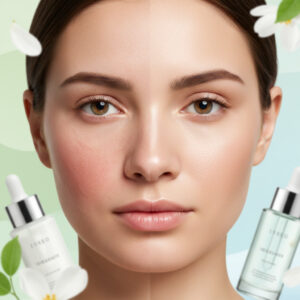
- Redness and inflammation
- Dryness and flaking
- Tight, itchy, or burning sensations
- Breakouts or increased sensitivity
- Patches that look rough or scaly
How to Identify Your Damaged Skin Barrier
At-Home Self-Assessment Tips
Check your skin in a mirror and feel it with clean fingers. If it feels tight, looks red, or stings when you use even mild products, your barrier may be damaged. Notice if it stays dry even after moisturizing or reacts easily to new products.
When to See a Dermatologist
If your skin does not improve after two weeks of gentle care, or if you see painful, open sores or infection, you should visit a dermatologist. They can offer professional diagnosis and treatment.
Step-by-Step Routine: How to Repair a Damaged Skin Barrier
1. Gentle Cleansing: Dos and Don’ts
- Pick a fragrance-free, creamy cleanser.
- Wash with lukewarm water. Hot water strips oils.
- Use fingertips, not washcloths or brushes.
- Rinse well and gently pat your skin dry with a towel.
- Only cleanse twice a day, or once if your skin is very dry.
2. The Role of Hydrating Ingredients
- Apply a hydrating serum or toner with hyaluronic acid after cleansing.
- Look for products with glycerin, panthenol, or aloe vera.
- Use light pressure; do not rub these in forcefully.
3. Avoiding Irritants and Harmful Habits
- Skip products with alcohol, fragrance, and essential oils during healing.
- Limit exfoliation to once every 7–10 days, or stop if skin is very sensitive.
- Avoid picking or scratching your skin.
4. Restoring with Moisturizers and Barrier Creams
- Choose a moisturizer with ceramides, fatty acids, or cholesterol.
- Apply moisturizer while skin is still damp after cleansing or serums.
- In very dry weather, consider an occlusive balm or ointment as the last step.
5. How to Layer Products for Maximum Repair
- Cleanser (gentle and hydrating)
- Hydrating toner or serum (e.g., hyaluronic acid)
- Moisturizer (with ceramides or fatty acids)
- Barrier cream or ointment, especially at night
- Apply sunscreen in the day to protect healing skin
Best Ingredients for Skin Barrier Repair
Ceramides, Hyaluronic Acid, and Fatty Acids Explained
- Ceramides: Natural fats that help rebuild the skin’s barrier.
- Hyaluronic Acid: Draws water into your skin for hydration.
- Fatty Acids: Support smoothness and prevent water loss.
Ingredients to Avoid During Repair
- Alcohols (like denatured alcohol, ethanol)
- Fragrance and essential oils
- Strong acids (like glycolic or salicylic acid at high concentration)
How to Read Skincare Labels
- Look for key words: “fragrance-free,” “gentle,” “for sensitive skin,” “pH balanced.”
- Check for ceramides, hyaluronic acid, squalane, panthenol.
- Avoid products with “alcohol denat,” “parfum,” or “essential oil” high on the ingredient list.
Common Mistakes to Avoid When Healing Your Skin Barrier
Over-Exfoliating and Product Overload
- Using too many acids or scrubs increases irritation and delays healing.
- Stick to a maximum of 3-4 products during recovery.
Misinformation and Skincare Myths
- Myth: You need harsh scrubs to get smooth skin. Fact: Gentle hydration works better for recovery.
- Myth: The more cream, the faster healing. Fact: Layering too many products can make things worse.
Lifestyle Changes to Support Skin Barrier Recovery
Diet and Hydration
- Drink plenty of water to keep your skin hydrated from within.
- Eat foods high in healthy fats: salmon, avocado, nuts, and seeds.
- Add fruits and vegetables for vitamins and antioxidants.
Stress Management
- Practice relaxation techniques: deep breathing, stretching, or meditation.
- Get enough sleep to help skin repair.
Environmental Factors
- Avoid long, hot showers and harsh weather when possible.
- Use a humidifier in dry indoor environments.
- Protect skin with hats or clothing in extreme conditions.
Frequently Asked Questions About Repairing a Damaged Skin Barrier
- How long does it take to heal a damaged skin barrier?
Depending on the level of damage, it can take a few days to several weeks. With gentle care, most people notice improvement in 1-2 weeks. - Can I use makeup while repairing my skin barrier?
It is best to minimize makeup use. If you must, choose gentle, fragrance-free options and remove them carefully. - Is sunscreen necessary during recovery?
Yes. Use a gentle, mineral-based sunscreen daily, even indoors, to protect healing skin from UV damage. - Is it safe to use retinol or vitamin C on a damaged barrier?
It's better to pause strong actives like retinol and vitamin C until your barrier heals. Reintroduce them slowly and watch for irritation.
References and Resources for Skin Barrier Health (2026 Update)
- American Academy of Dermatology: Skin Care Tips
- Dermatology textbooks (2026 edition)
- Clinical studies on ceramides and barrier repair, 2024–2025
- Mayo Clinic: Sensitive Skin Guide
- British Association of Dermatologists: Understanding Your Skin Barrier
Summary: Key Steps and Next Actions
To repair a damaged skin barrier, follow a gentle routine: use mild cleansers, hydrating serums, and barrier-repair moisturizers. Avoid harsh products, over-exfoliating, and stress. Support your skin from within by maintaining a healthy diet and hydration. Always check product labels and be patient as your skin heals. If you face persistent problems, consult a dermatologist. Proper care can restore your skin’s healthy look and comfort.