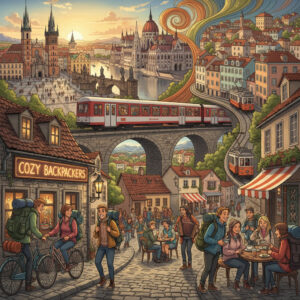

Are you excited to explore Europe in 2026? Planning a multi-city Europe trip lets you visit different cultures, experience amazing sights, and make unforgettable memories. This guide helps you organize your adventure, stay on budget, and enjoy every step. Let's start your journey.
Why Choose a Multi-City Europe Trip in 2026
Top Benefits of Visiting Multiple European Cities
- Experience diverse cultures and languages in one trip.
- See famous landmarks, new museums, and local festivals.
- Try unique food and regional dishes across Europe.
- Learn history from different perspectives.
- Meet new friends and expand your horizons.
Current Travel Trends and Popular Routes
- Eco-friendly travel is rising, with more people using trains.
- Popular routes include Paris-Amsterdam-Berlin, Madrid-Barcelona-Rome, Prague-Vienna-Budapest.
- Travel apps and city passes make exploring easier.
- Flexible itineraries are popular—travelers stay longer in favorite cities.
Setting Your Europe Travel Goals and Budget
Deciding Which Cities to Visit
- List cities that interest you (use travel blogs, guides, and social media).
- Consider major sights, cultural events, and unique neighborhoods.
- Check seasonality—some cities are best in summer, others in winter.
- Think about your interests: art, nature, architecture, food.
- Pick 3-7 cities for a balanced trip.
Determining Trip Length and Budget for 2026
- Estimate travel time between cities (use maps or route planners).
- Decide how many days to spend in each city.
- Set a daily budget:
- Accommodation
- Food and drinks
- Transportation
- Activities and entrance fees
- Souvenirs and shopping
- Include emergency funds.
- Use travel budget calculators online for accuracy.
Mapping Out Your Europe Itinerary
Must-See Destinations and Hidden Gems
Combine famous cities like Paris, London, Rome with smaller gems such as Bruges, Ljubljana, or Porto. Research lesser-known villages and local hotspots for a richer experience.
- Start with major hubs (easy connections).
- Add nearby cities for short travel distances.
- Mix urban and countryside stops.
Optimizing Your Route for Time and Value
- Use online route planners (Google Maps, Rome2Rio).
- Travel in one direction to reduce backtracking.
- Group cities by region (e.g., Central Europe, Iberian Peninsula).
- Check local events or holidays for special experiences.
- Plan rest days or slower cities between busy destinations.
Booking Transportation for a Seamless Multi-City Trip
Train vs. Flight vs. Bus: Comparison for 2026
| Transport Type | Speed | Cost | Environment | Comfort |
|---|---|---|---|---|
| Train | High | Moderate | Eco-friendly | Spacious, scenic |
| Flight | Very High | Low-High | Higher emissions | Quick, can be crowded |
| Bus | Low | Low | Eco-friendly | Basic, budget option |
Booking Tips for High-Speed Rail and Budget Airlines
- Book train tickets early for best prices—use official websites (Eurail, SNCF, Deutsche Bahn).
- Check budget airline deals and baggage policies (Ryanair, EasyJet).
- Use travel apps to track prices and sales.
- Pack light to avoid baggage fees.
- Compare airport transfer times—sometimes trains are faster door-to-door.
Accommodation Strategies Across Europe
Choosing Hotels, Hostels, or Vacation Rentals
- Hotels: Comfort, privacy, higher price.
- Hostels: Cheap, social, ideal for young travelers.
- Vacation Rentals: Home-style stay, good for families or groups.
Booking Tips and Cancellation Policies
- Use trusted sites (Booking.com, Hostelworld, Airbnb).
- Read recent reviews for cleanliness and safety.
- Check free cancellation options; flexible bookings are best for uncertain plans.
- Book early for popular cities during peak seasons.
- Look for deals on longer stays or off-peak nights.
Essential Travel Documents and Requirements in Europe (2026)
Updated Visa and ETIAS Rules
- EU visitors may need ETIAS travel authorization—apply online before your trip.
- Check visa requirements based on nationality (Schengen area rules).
- Carry printed and digital copies of all documents.
- Check passport validity—usually 6 months before expiry.
Health, Insurance, and Safety Tips
- Purchase travel insurance with medical coverage.
- Check vaccination or health entry rules for 2026.
- Find out emergency contacts for each country.
- Keep important documents in a secure pouch.
Packing Tips for a Multi-City Europe Adventure
What to Pack for Different Climates and Cultures
- Layered clothing for changing weather—Europe has cold, mild, and hot places.
- Comfortable shoes for walking.
- Simple outfits to blend in with local cultures.
- Adapters for European plugs.
- Travel-size toiletries and reusable water bottles.
Packing Light and Smart for Multiple Destinations
- Use a carry-on/backpack, avoid checked luggage.
- Mix and match outfits for flexibility.
- Roll clothes to save space.
- Bring laundry soap for washing small items.
- Pack only essential tech—phone, charger, power bank.
Managing Local Transportation and Getting Around Each City
Public Transport, Rideshares, and Bike Rentals
- Most cities have metro, trams, and buses—buy day or week passes.
- Rideshares (Uber, Bolt) for quick trips or late hours.
- Bike rentals and e-scooters for easy sightseeing.
Navigating with Apps and City Passes
- Download city maps and route planners (Google Maps, CityMapper).
- Get tourist city passes for discounts on attractions and transport.
- Save offline maps for no WiFi areas.
- Use translation apps for local languages.
Making the Most of Your Multi-City Europe Trip
Maximizing Sightseeing and Experiences
- Plan main attractions early, book tickets in advance.
- Join free walking tours for local insights.
- Try regional foods—look for markets or small cafes.
- Meet locals—use language or meetup apps.
- Allow time for spontaneous adventures.
Keeping Costs Down Without Missing Out
- Travel off-peak for lower prices.
- Eat at local markets, not tourist zones.
- Use travel cards for discounts.
- Choose hostels or rentals instead of hotels.
- Walk or bike when possible.
FAQ: Common Questions About Europe Multi-City Trips in 2026
- Is it safe to travel between cities? Yes, but check official guides and travel advisories.
- Can I travel easily across countries? Schengen countries have open borders; ETIAS rules might apply.
- Are trains better than buses? Trains are faster and more scenic; buses are budget-friendly.
- How much should I budget? €50-€150 a day, depending on your style and city choices.
- Can I change cities last minute? With flexible bookings, yes—just check cancellation policies.
Key Points and Next Steps
- Choose cities based on your interests and the latest trends.
- Plan your route for comfort and value.
- Book transportation and accommodation early.
- Prepare all documents and insurance for a smooth trip.
- Pack smart, manage local travel, and make the most of your experiences.
Ready to start planning your multi-city Europe trip for 2026? Gather your tools, research cities, and begin creating your memorable adventure!