Living more simply is a popular topic in 2026. Many people want a life with less stress, more freedom, and better wellbeing, but do not wish to become strict minimalists. This guide explains how to embrace simple living without going to extremes. It presents practical steps, benefits, case studies, and answers common questions. You will learn how to make your life easier, happier, and more peaceful with easy-to-follow instructions for grade 9 readers.
Understanding Simple Living vs. Minimalism
What Does Living Simply Mean?
Simple living means focusing on what truly matters to you. It involves removing unnecessary distractions, making mindful choices, and creating a life with ease. You do not need to own very few things or follow strict rules like minimalists. Instead, you only choose what adds value to your life.
Key Differences Between Simple Living and Minimalism
- Simple living is about comfort and happiness. Minimalism is often about having the least stuff.
- Simple living lets you keep things that bring joy, even if they are not essential.
- Minimalism has strict guidelines. Simple living is more flexible.
Why Simple Living Appeals to Many in 2026
- People want less stress and more peace.
- The world is fast-paced. Simple living offers a break from busy schedules.
- It helps everyone, from students to professionals, find balance.
Benefits of Simple Living Without Minimalist Extremes
Improved Mental Health and Wellbeing
A simple life reduces anxiety. Fewer distractions and clutter help you focus. Your mind becomes clearer and you feel more relaxed.
Financial Advantages of Simplicity
Simple living lets you save money. You buy less and avoid waste. This makes budgeting easier and helps you set financial goals.
Less Stress, More Freedom
When you live simply, you feel lighter. There is less to worry about. You have more time for fun, friends, and family.
Practical Steps to Live More Simply Without Minimalism
1. Declutter Without Drastic Downsizing
- Start with one room at a time. Set aside 30 minutes to tidy up.
- Sort items into three groups: keep, donate, or recycle.
- Keep things you use regularly or love. Do not force yourself to remove everything.
- Put away items neatly. Repeat every month.
2. Mindful Consumption: Making Thoughtful Choices
- Before buying something, ask: Do I need this? Will it add joy or help my life?
- Plan purchases. Avoid impulse shopping.
- Choose quality over quantity. Buy only what you will use.
3. Creating Routines for Peace and Ease
- Set a daily routine for morning and evening. Include time for rest, study, and meals.
- Write your routine on paper. Try to follow it each day.
- Adjust routines to fit your needs. Keep them simple and relaxing.
4. Nurturing Relationships and Community
- Spend time with people who support you. Make a list of friends and family.
- Schedule regular meet-ups or calls.
- Focus on positive conversations and shared activities.
Simple Living in Different Areas of Daily Life
Home and Environment
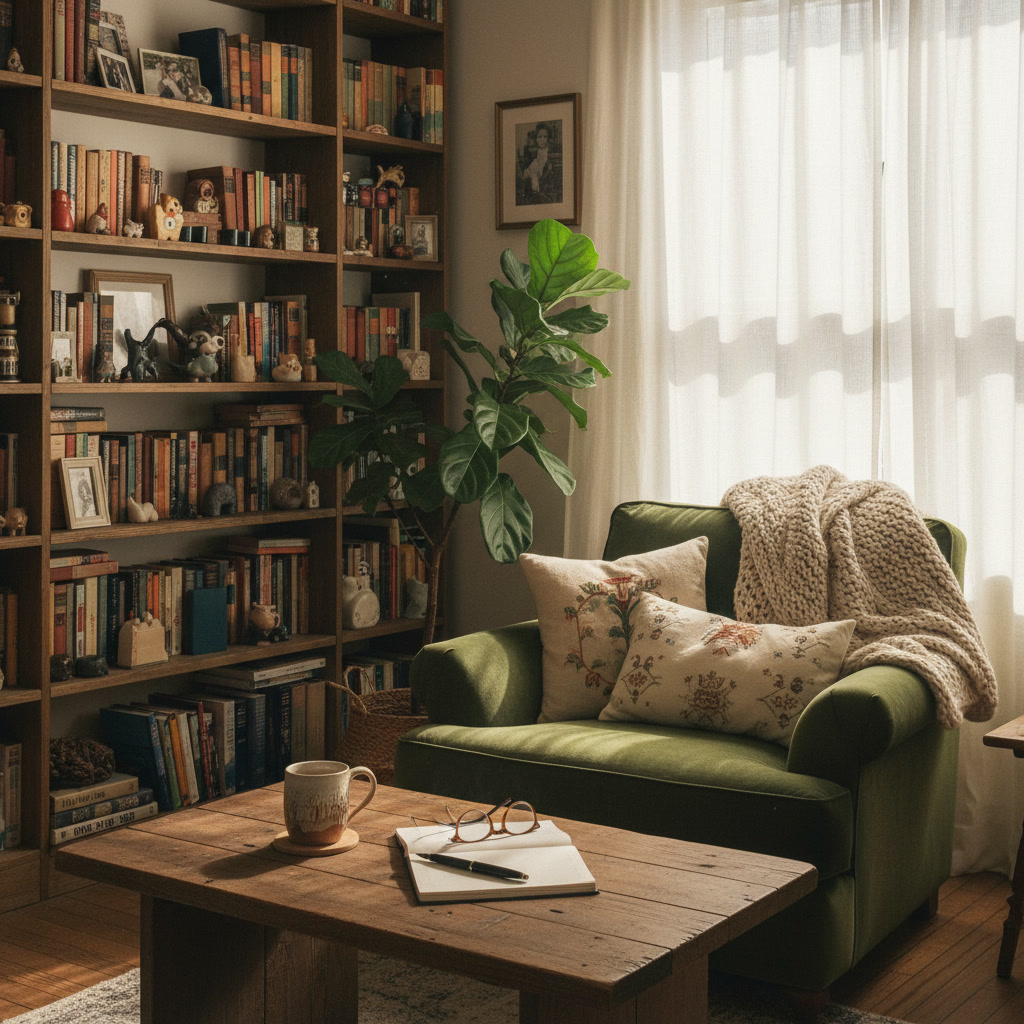
- Keep your room tidy but comfortable.
- Add plants or personal touches.
- Use natural light and fresh air.
Work and Technology Use
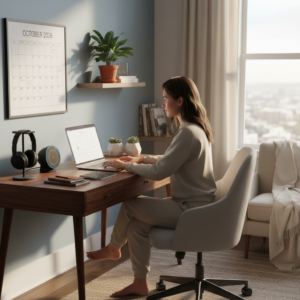
- Organize your workspace.
- Limit time on social media and screens.
- Take breaks to relax your mind.
Leisure and Hobbies
- Choose hobbies that make you happy.
- Join clubs or groups for fun activities.
- Try creative pursuits like drawing, music, or sports.
Food and Cooking
- Plan simple meals. Use fresh ingredients.
- Cook at home when possible.
- Enjoy meals with family or friends.
Overcoming Challenges of Simple Living
Balancing Simplicity with Comfort
- Do not remove things you need for comfort or happiness.
- Find a balance that feels right to you.
- Adjust your choices if life becomes too plain.
Dealing with Social Pressure and Expectations
- Ignore trends that do not suit you.
- Explain your simple lifestyle to friends if they ask.
- Stay true to your own values.
Staying Consistent Without Going Extreme
- Set small goals. Make changes slowly.
- If you make mistakes, start again. Simple living is a journey.
- Enjoy your progress and celebrate small wins.
Real-Life Stories: How Others Live More Simply
Case Study: Families Choosing Simplicity
A family in 2026 decided to focus on what matters most—time together. Instead of buying new items often, they created fun traditions like game nights and cooking together. They keep their home cozy, not empty.
Case Study: Singles and Simple Living
A single college student in 2026 chose to live simply for stress relief. They keep their room tidy, only keep things they use, and make time for relaxation. This helped them balance studies and personal life.
Case Study: Professionals Simplifying Busy Lives
Busy professionals found simple living by scheduling regular breaks, making mindful purchases, and focusing on key relationships. They did not remove everything from their office but made it easier to work and rest.
FAQ: Common Questions About Simple Living Without Minimalism
- Do I have to give up all my hobbies? No. Keep hobbies that make you happy.
- Can I still enjoy new technology? Yes, if it adds comfort or value.
- What if my family does not support simple living? Start with your own choices. Share benefits and explain calmly.
- How can I avoid going too extreme? Make small changes. Check your feelings and comfort often.
- What if my friends do not understand? You can share your reasons or simply stay true to your lifestyle.
Preparation: Tools and Materials You Need
- Notebook or planner for routines
- Storage boxes or bags for decluttering
- List of key contacts for relationships
- Basic cleaning supplies
Step-by-Step Tutorial: How to Start Living Simply
Step 1: Begin with Decluttering
- Pick one area to tidy (bedroom, desk, kitchen).
- Sort items into keep, donate, and recycle or throw away.
- Organize what remains neatly.
Step 2: Create Your Daily Routine
- Write morning and evening routines in your notebook.
- Include time for meals, study, relaxation, and sleep.
- Check your routine weekly and adjust to fit your needs.
Step 3: Practice Mindful Decisions
- For each purchase or commitment, ask: Do I need this?
- Say yes only to things that serve you well.
- Keep a record of good choices and reflect monthly.
Step 4: Build Strong Relationships
- List supportive people in your life.
- Make plans to connect weekly.
- Try a gratitude practice: thank people who help or inspire you.
Step 5: Enjoy Simple Activities
- Choose hobbies like sports, music, art, or reading.
- Plan regular time for leisure and fun.
- Visit community events if possible.
Common Problems and Solutions
| Problem | Solution |
|---|---|
| Too much clutter returns | Schedule regular decluttering every month. |
| Routine feels boring | Add new activities or rotate hobbies. |
| Friends do not understand | Explain your choice, invite them to join, or stay true to your values. |
| Lack of motivation | Set small, easy goals and celebrate each step. |
| Feeling too extreme | Re-evaluate your choices; add back items or activities for comfort. |
Advanced Tips: Optimizing Simple Living
- Try digital decluttering: clean up your phone and computer regularly.
- Practice gratitude daily—write down three things you appreciate.
- Replace old habits with healthy routines (exercise, reading).
- Use mindful breathing or meditation for extra peace.
- Choose sustainable products and support local businesses.
Summary: Key Takeaways and Next Steps
- Simple living is about finding comfort and happiness without strict rules.
- Start with easy steps: declutter, create routines, make mindful choices, foster relationships.
- Check your progress often and make adjustments as needed.
- Focus on what matters to you, not trends or extreme minimalism.
- Enjoy the benefits: better mental health, less stress, and more freedom.
Your journey to simple living begins now. Use this guide to help you make positive, lasting changes, one step at a time. Remember, it is about what makes you happy and peaceful—without extremes.