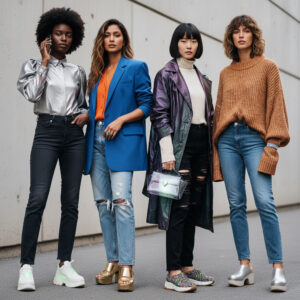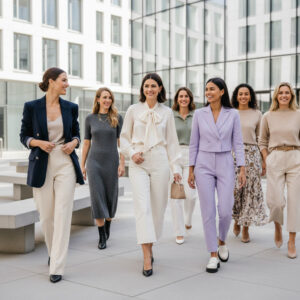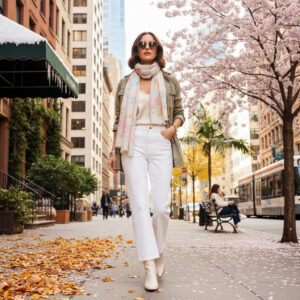
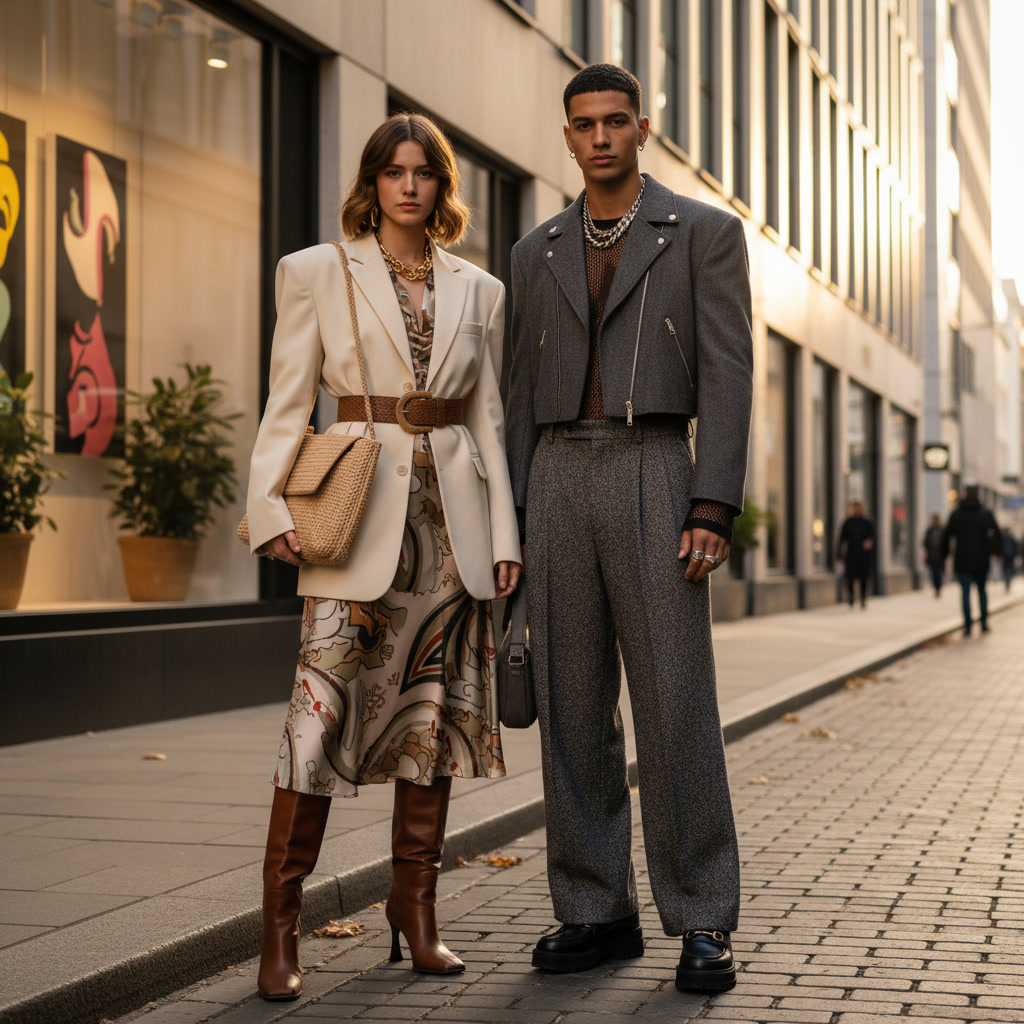
Discovering your personal style in fashion is more than how you dress—it's about expressing who you are. This tutorial is designed for Grade 9 level, providing clear steps, practical advice, and useful tips for anyone wanting to explore and define their unique fashion identity. Whether you are just starting out or looking for ways to evolve your wardrobe, this guide will help you confidently build your personal style for 2026 and beyond.
Understanding What Personal Style Means in Fashion
Defining Personal Style vs. Following Trends
Personal style is about wearing what truly feels right for you, rather than just copying the latest fashion trends. While trends come and go, your style reflects your personality, preferences, and way of life. Following trends can be fun, but finding what you love makes your style stronger and more authentic.
The Importance of Authenticity in Modern Fashion
Being authentic means being true to yourself. In modern fashion, authenticity stands out. When you wear items that feel comfortable, fit your lifestyle, and make you happy, you build confidence. Authentic style is lasting, expressive, and uniquely yours.
Assessing Your Current Wardrobe to Discover Your Style Preferences
Conducting a Closet Audit: What to Keep and What to Let Go
Start by evaluating your wardrobe. Remove everything from your closet and sort your clothes into three piles: keep, donate/sell, and maybe. Ask yourself if you wear and like each item. Keep what fits well and feels right, let go of items that no longer suit your style or needs.
Identifying Your Most-Worn Pieces and Why You Love Them
Look at the clothes you wear most often. Is there a pattern—colors, shapes, fabrics, or brands? Write down what you like about these pieces. This helps you understand your preferences and gives clues about your personal style.
Exploring Different Fashion Styles and Aesthetics
Popular Style Types in 2026 (Minimalist, Maximalist, Vintage, Streetwear, etc.)
- Minimalist: Simple, classic lines and neutral colors.
- Maximalist: Bold prints, mixing colors and layers.
- Vintage: Retro looks from past decades.
- Streetwear: Casual, sporty, and comfortable clothing.
- Eco-conscious: Sustainable fabrics and ethical brands.
Read about different styles, see what appeals to you, and imagine how you could mix elements to create your own signature look.
How to Draw Inspiration from Celebrities and Style Icons
Find celebrities or influencers who inspire you. Observe how they dress and which aspects of their outfits you admire. Use online resources like Pinterest, Instagram, or fashion blogs to gather ideas. Don’t copy exactly—adapt their looks in ways that suit your personality and budget.
Step-by-Step Process: How to Find Your Personal Style
1. Reflecting on Your Lifestyle and Fashion Needs
Think about your daily life. What clothes do you need for school, sports, social events, or hobbies? Your personal style should match your activities and comfort preferences. Make a list of your basic needs.
2. Creating a Fashion Mood Board
Collect images of outfits, colors, and accessories that you love. Use apps, magazines, or cardboard. Pin or paste pictures that represent your ideal wardrobe. Review your mood board to spot recurring themes and favorites.
3. Experimenting with New Looks—Tips for Trying Styles Safely
- Start small: try new colors or accessories first.
- Mix and match outfits for casual days before making bigger changes.
- Borrow clothes from friends or family to test different looks.
- Take photos to review how you feel in each outfit.
4. Documenting Your Outfits: Using Social Media or Personal Journals
Keep a record of what you wear. Take daily photos or write notes in a journal. Track which outfits make you feel confident. Over time, patterns appear, helping you refine your style and see progress.
Building a Capsule Wardrobe Aligned with Your Personal Style
Key Pieces Every Wardrobe Needs in 2026
- Basic tops (plain tees, button-downs)
- Bottoms (jeans, trousers, skirts)
- Layering items (sweaters, jackets, hoodies)
- Comfortable shoes (sneakers, boots)
- Chic accessories (bags, hats, jewelry)
- Statement piece (a unique item that shows your flair)
Choose pieces that fit your style, match multiple outfits, and are comfortable for daily wear.
Accessorizing to Express Your Unique Flair
Accessories help personalize your look. Try bold jewelry, colorful scarves, or fun hats. Small changes can turn basic outfits into something special and reflect your personality.
Shopping Smart: Curating Your Closet Mindfully
Identifying Gaps and Making a Shopping Plan
- Review what you have and what you need.
- Make a list of missing items based on your style and lifestyle.
- Set a budget and shop purposefully—not impulsively.
- Choose quality pieces that will last and match your wardrobe.
Sustainable Fashion Choices for the Conscious Shopper
- Choose brands that focus on ethical production.
- Buy second-hand or vintage clothing.
- Prefer durable materials over fast fashion.
- Care for your clothes to extend their life.
Mindful shopping helps keep your closet purposeful and aligns with global trends towards sustainability.
Overcoming Common Challenges in Finding Your Personal Style
Navigating Fashion Anxiety and Comparison
Feeling pressure to dress a certain way is common. Focus on what makes you feel confident, not just fitting in. Avoid comparing yourself constantly to others—everyone’s style journey is different.
Updating Your Style as Trends Evolve
- Be open to change and learn about new trends.
- Update your wardrobe in small steps.
- Keep your style core—add new touches but stay true to yourself.
FAQ: Everything to Know About Finding and Evolving Your Personal Style in 2026
| Question | Answer |
|---|---|
| How do I start finding my personal style? | Begin by looking at what you wear most, then try new things and record your favorite outfits. |
| What if I'm afraid of making fashion mistakes? | Everyone learns from experimenting. Start with small changes and learn what suits you. |
| How often should I update my wardrobe? | Seasonally or when your tastes and needs change—keep your basics timeless. |
| Is it expensive to develop personal style? | No. You can swap clothes, buy second-hand, or focus on core pieces to save money. |
| Can my style change as I grow? | Yes. Personal style evolves with maturity, interests, and lifestyle. |
| How can I stay true to myself in fashion? | Choose what feels comfortable and expresses who you are—ignore pressure to follow every trend. |
Summary: Key Takeaways and Next Steps
Finding your personal style is a journey, not a race. It starts with understanding yourself, assessing your current closet, and trying new looks. Embrace authenticity, use inspiration wisely, and make mindful shopping choices. Record your favorite outfits and update your wardrobe as you grow. The main step forward: take your time, believe in your choices, and let your style show who you are in the world of fashion. Now, start your style journey with confidence and have fun expressing yourself!