Understanding the Importance of a Calm and Peaceful Home
Psychological and Health Benefits
A calm and peaceful home is essential for our mental health. It helps reduce stress, anxiety, and improves focus. Living in a tranquil space can boost your mood and increase overall happiness. Studies show that serene environments lower blood pressure and support better sleep.
The Science Behind Tranquil Spaces
Science explains that our brain reacts to our surroundings. Noise, clutter, and harsh colors can make us feel uneasy. Calm spaces use soft colors, organized items, and gentle lighting to send signals of safety and relaxation to our mind.
Decluttering and Organizing Your Space
Minimalism vs. Practical Organization
Minimalism means living with fewer possessions. Practical organization means arranging what you have so everything is easy to find. You can combine both by keeping only what you use and organizing the rest neatly.
Step-by-Step Decluttering Process
- Choose one area to start—like your desk or wardrobe.
- Remove all items and sort them into three groups: Keep, Donate, Discard.
- Ask yourself: Do I use this? Does it make me happy?
- Clean the empty space before placing items back.
- Repeat for other rooms and spaces.
Storage Solutions for Every Room
- Bedroom: Use under-bed boxes for storing out-of-season clothes.
- Kitchen: Install hooks or shelves for extra utensils and jars.
- Living room: Baskets or bins keep remote controls and magazines tidy.
- Bathroom: Use drawer organizers for small items and toiletries.
Choosing Calming Colors and Decor Elements
Best Colors for Serenity and Relaxation
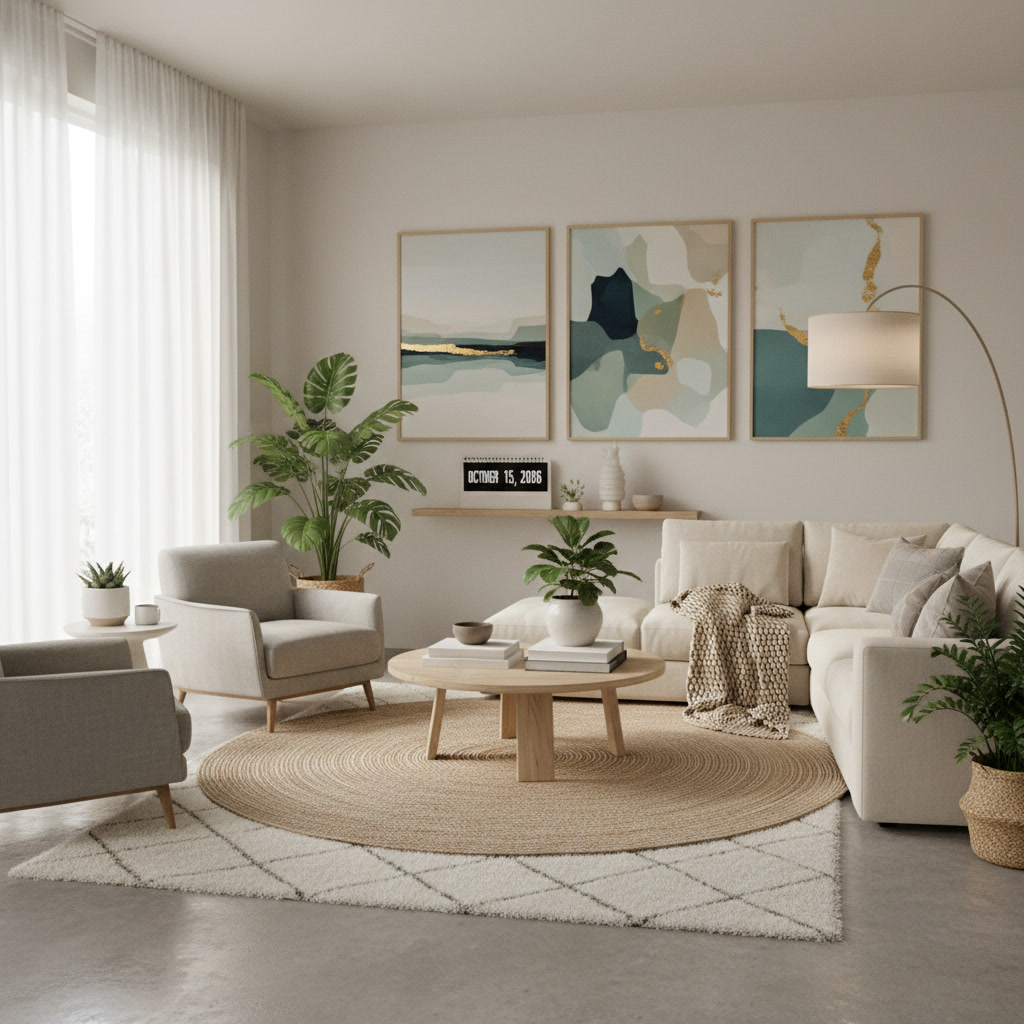
Soft blues, greens, and neutrals like beige and white are the best colors for a calm space. These shades remind us of peaceful nature scenes.
Natural Materials and Textures
Choose decor made from wood, cotton, wool, or stone. These natural materials feel soft and look inviting, adding warmth and comfort.
Incorporating Plants and Greenery
Plants bring freshness and clean air into your home. Place small potted plants on windowsills or shelves. Choose low-maintenance options like succulents or spider plants if you are just starting.
Lighting and Air Quality for Tranquility
Harnessing Natural Light
Open curtains and blinds during the day to let sunlight in. Position mirrors to reflect light around the room and make spaces feel larger and brighter.
Soft Lighting Ideas for Every Room
- Use warm-toned bulbs for a gentle glow.
- Add table lamps or wall lights for cozy corners.
- String fairy lights for a relaxing nighttime ambiance.
Improving Air Flow and Purity
- Open windows regularly to exchange stale air.
- Add air-purifying plants or use an air purifier for extra freshness.
- Avoid strong chemical cleaners—choose natural alternatives.
Establishing Peaceful Daily Routines at Home
Creating Morning and Evening Rituals
- Start your day with stretching or a cup of tea in a quiet spot.
- End your day with deep breaths or journaling.
- Keep these routines simple and repeat them daily.
Mindful Cleaning and Tidying Habits
Clean up as you go, rather than letting mess build up. Wipe surfaces daily and put things back after use. Tidying little by little makes cleaning easier and reduces stress.
Spaces for Meditation and Reflection
- Choose a quiet corner for meditation or journaling.
- Add a cushion or comfortable chair.
- Keep this area uncluttered and free from distractions.
Reducing Noise and Distractions for a Calm Home
Soundproofing Tips and Tools
- Use heavy curtains or carpets to absorb sound.
- Add bookshelves or wall panels to block noise.
- Seal gaps in windows and doors to keep outside noise out.
Designing Quiet Zones
Set up areas for silence, like reading nooks or study spots. Ask family members to respect these zones. Use signs or signals to show when you need quiet time.
Managing Digital Distractions
- Designate screen-free times each day.
- Keep phones and tablets out of bedrooms at night.
- Limit loud sounds and notifications from devices.
Personalizing Your Calm Space
Displaying Memories and Meaningful Items
Add photos, souvenirs, or artwork that inspire you. Display just a few favorites, not too many, to keep your space tidy and focused.
Scent, Sound, and Sensory Touches
- Use scented candles or essential oils for gentle fragrance.
- Play soft music or nature sounds in the background.
- Include cozy throws, soft rugs, and cushions for comfort.
Frequently Asked Questions about Creating a Calm and Peaceful Home
Q: What if my home is small?
A: Focus on decluttering, using multi-purpose storage, and light colors to make rooms feel larger.
Q: How can I maintain calm with kids or pets?
A: Organize toys and supplies in labeled bins. Create calm routines with quiet activities, and use soft lighting in play areas.
Q: Can I make my home peaceful on a budget?
A: Yes! Decluttering is free, and plants or second-hand decor are affordable. DIY storage and simple routines also help.
Preparation: Tools and Materials Needed
- Cleaning supplies (cloth, natural cleaner)
- Storage bins or boxes
- Plants or pots
- Soft lighting sources (lamps, bulbs)
- Cushions, rugs, throws
- Scented candles or essential oils
- Photos, art, or personal keepsakes
Step-by-Step Tutorial: Detailed Home Calmness Process
- Declutter and Organize
- Pick one area to start (desk, closet, shelf).
- Sort items into Keep, Donate, Discard.
- Clean the empty space.
- Store essential items neatly.
- Choose Calming Colors and Decor
- Repaint or add decor in soft, natural colors.
- Add wood, cotton, or wool elements.
- Bring in plants for freshness.
- Improve Lighting and Air Quality
- Maximize daylight by opening windows.
- Add warm-toned bulbs in lamps.
- Air out rooms and use fresheners or plants.
- Establish Peaceful Routines
- Set morning tasks like stretching or breakfast in calm settings.
- End evenings with quiet time—reading, listening to music, or journaling.
- Make tidying up a quick, daily habit.
- Reduce Noise and Distractions
- Add carpets, curtains, or panels to absorb sound.
- Designate quiet areas for reading or studying.
- Turn off devices during peaceful times.
- Personalize Your Calm Space
- Display a few favorite photos or items.
- Use gentle scents and sounds.
- Add comfortable textures—throws, cushions.
Common Challenges and Solutions
| Challenge | Solution |
|---|---|
| Too much clutter | Start small and work in sections. Set a timer for quick sessions. |
| Lack of storage | Use vertical space—walls, doors, under furniture. |
| Distracting noise | Use headphones, soft music, or add carpets for sound absorption. |
| Limited budget | DIY solutions, reuse items, shop second-hand. |
| Busy family life | Set routines and quiet times for everyone; organize shared spaces. |
Advanced Tips: Optimize and Improve Your Peaceful Home
- Rotate plants and decor to keep your space feeling fresh.
- Try digital detox—regular breaks from screens.
- Use weekly cleaning schedules for consistency.
- Involve the whole family in routines and tidying.
- Experiment with calming scents and sounds to suit personal preferences.
Summary: Key Points and Next Steps
A calm and peaceful home starts with decluttering, choosing the right colors, and maintaining routines. Maximize light and air, manage noise, and personalize with meaningful items. Begin with one area, use practical storage, and create daily rituals. If challenges arise, try the solutions above. For ongoing calm, keep optimizing your home and involve everyone in your household. Your next step is simple: pick a space and start making it peaceful today.