Sunscreen is an essential part of daily skincare, especially for protecting your face. Using the right amount is crucial to avoid sun damage and maintain healthy skin. This guide for 2024 will help grade 9 students understand not just how much sunscreen to use, but also practical steps, mistakes to avoid, and how to choose the best option for their skin.
Why Sunscreen Application Amount Matters for Your Face
The Science Behind Sunscreen Protection
Sunscreen works by creating a barrier against harmful ultraviolet (UV) rays. The effectiveness depends on both the SPF level and the amount applied. Too little sunscreen can leave skin exposed, increasing the risk of damage and skin cancer.
- SPF stands for Sun Protection Factor.
- Adequate coverage ensures maximum protection.
- Both UVA and UVB rays are blocked with proper application.
Common Myths About Sunscreen Usage
- Myth: A small dab is enough for your face.
- Myth: You only need sunscreen on sunny days.
- Myth: High SPF means you don’t need to reapply.
- Fact: Sunscreen is needed every day, in the correct amount.
How Much Sunscreen Should You Use on Your Face?
Dermatologist Recommendations in 2024
Experts advise about 1/4 teaspoon (1.25 ml) of sunscreen for the face alone. This meets the test amount used for SPF certification. More is better than less.
- Don’t guess — use a measuring spoon if possible.
- If using combined face and neck, increase to 1/2 teaspoon.
The “Two-Finger Rule” Explained
The two-finger rule is a simple way to measure sunscreen. Squeeze out sunscreen along the length of your index and middle fingers. This gives roughly the amount needed for your face.
- Apply a line of sunscreen on each finger.
- Use both lines for full coverage.
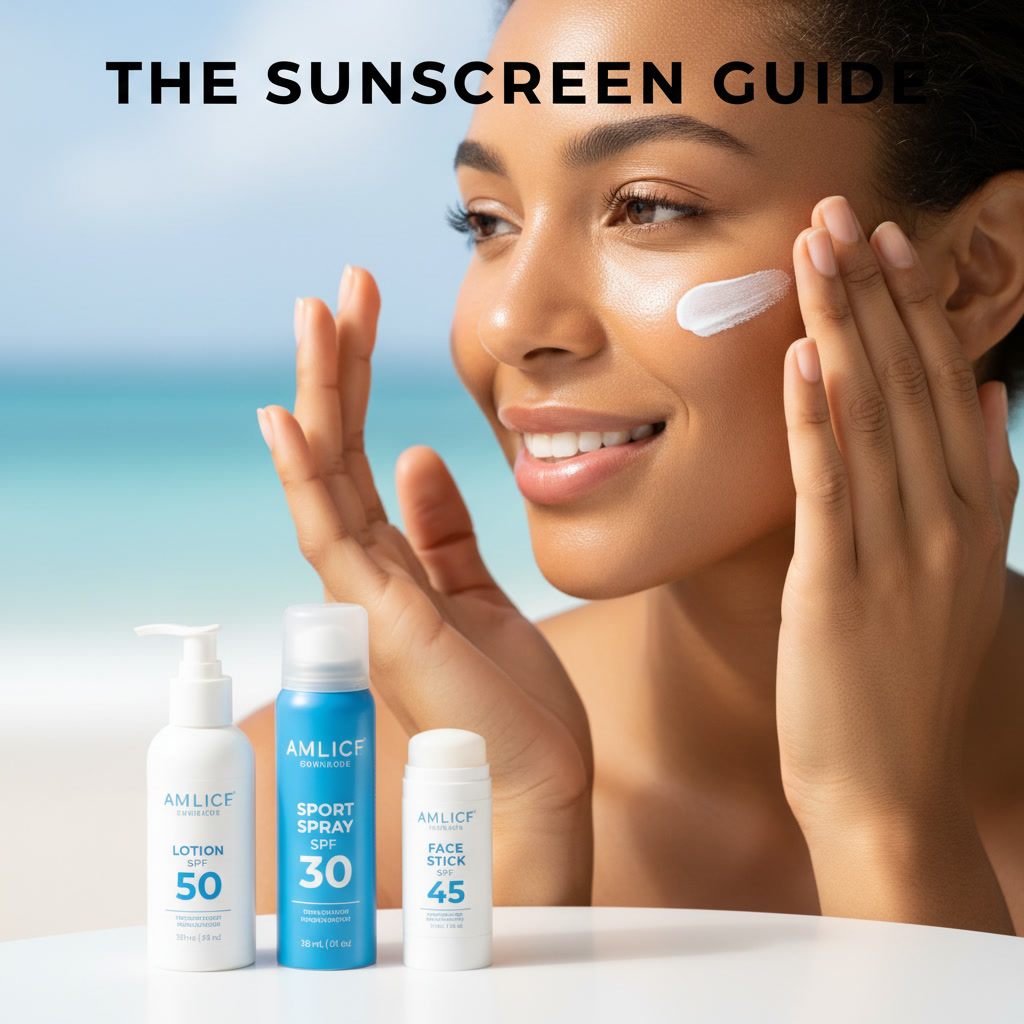
Adjusting for Different Sunscreen Types (Cream, Gel, Spray)
- Cream: Spread until you reach the two-finger line or 1/4 teaspoon.
- Gel: Use the same amount, gels spread easily so check coverage.
- Spray: Spray until you see an even, shiny layer; rub in with hands.
Factors That Influence the Right Amount
- Face size: Larger faces may need more.
- Beard or facial hair: Be sure to get skin beneath.
- Sunscreen thickness: Some formulas spread thinner. Always aim for a visible, even layer.
Step-by-Step: Applying the Correct Amount of Sunscreen to Your Face
Prepping Your Skin for Maximum Efficacy
- Cleanse your face to remove dirt and oil.
- Dry your skin gently with a towel.
- If using other skincare products, let them absorb fully before sunscreen.
Application Technique for Even Coverage
- Squeeze out 1/4 teaspoon or use the two-finger rule.
- Dot sunscreen on the forehead, cheeks, nose, chin.
- Spread using fingertips. Move in gentle circles and outward strokes.
- Cover ears and hairline, especially on sunny days.
Common Areas People Miss and How To Cover Them
- Hairline: Blend sunscreen up to your hair.
- Nose sides and under eyes: Use a mirror for these tricky spots.
- Ears: Apply sunscreen on exposed parts.
- Jawline and neck: Don’t forget when the area is exposed.
Sunscreen Mistakes to Avoid on Your Face
Underapplying and Overapplying Risks
- Underapplying: Common cause of skin damage. May not reach the labeled SPF protection.
- Overapplying: Can feel greasy and may clog pores, especially for acne-prone skin.
Layering With Other Skincare or Makeup Products
- Apply sunscreen as the last step in your skincare routine (before makeup).
- Wait 5 minutes after applying sunscreen before makeup.
- If layering with moisturizer, use it before sunscreen.
How Often Should You Reapply Sunscreen on Your Face?
Reapplication Guidelines Based on Activity and Skin Type
- Every 2 hours during outdoor activity.
- Reapply after sweating, swimming, or towel-drying.
- If indoors, once in the morning is usually enough, unless exposed to windows.
Sunscreen Durability: Water Resistance & Sweat
- Water-resistant formulas protect for 40–80 minutes.
- Regular sunscreen requires frequent reapplication if sweating or swimming.
Choosing the Best Sunscreen for Your Face in 2024
Key Ingredients to Look For
- Zinc oxide and titanium dioxide: Good for sensitive skin.
- Octocrylene, avobenzone: Chemical filters, suitable for most skin types.
- Look for added antioxidants like vitamin C or E.
Picking the Right SPF and Formula
- SPF 30 or higher is best for daily use.
- SPF 50 for outdoor sports or intense sunshine.
- Choose gel for oily skin, cream for dry skin, and stick for convenience.
Suitability for Sensitive or Acne-Prone Skin
- Choose “non-comedogenic” formulas.
- Fragrance-free sunscreens reduce irritation risk.
- Mineral sunscreens are often gentler.
Frequently Asked Questions: Face Sunscreen Dosage & Use
- Q: Can I use body sunscreen on my face?
A: Yes, if it’s labeled safe for sensitive skin, but facial formulas are usually lighter. - Q: What if I wear makeup?
A: Use sunscreen under makeup and reapply with powder sunscreen if needed. - Q: How do I know if I’m using enough?
A: Use the two-finger rule or measure 1/4 teaspoon. The skin should feel evenly covered, not patchy. - Q: Do I need sunscreen on cloudy days?
A: Yes, UV rays pass through clouds and windows.
Summary: Key Takeaways and Next Steps
- Use about 1/4 teaspoon, or follow the two-finger rule every time.
- Apply everywhere — not just cheeks and forehead.
- Choose SPF 30+ and reapply every 2 hours if outside.
- Pick a formula that suits your skin type and activity.
Protect your skin daily, make sunscreen a habit, and you will lower your risk of sunburn, skin cancer, and premature aging. Try different types to find your favorite and remember — consistent, correct use is key!