Why Decluttering Your Life Matters in 2026
Mental Health Benefits of Decluttering
Clutter can make you feel anxious, stressed, and overwhelmed. Clearing your space helps your mind feel calmer. Studies show that tidy spaces boost focus and happiness. By decluttering, you create a peaceful environment where you can grow and relax.
Physical and Environmental Advantages
Cluttered places are harder to clean and often waste space. Removing unneeded things means less dust, fewer lost items, and safer, roomier zones. Decluttering helps you reuse, donate, or recycle items, which is better for the planet.
Decluttering as a Lifestyle Trend in 2026
Minimalism and sustainable living are more popular than ever in 2026. Social media and lifestyle experts recommend simpler spaces for better living. By decluttering, you join a movement focused on well-being, sustainability, and mindful consumption.
30-Day Declutter Challenge Overview
Setting Realistic Decluttering Goals
Begin by deciding what you hope to achieve. Do you want a neater room, a stress-free mind, or more time for hobbies? Write down your top three goals. Make them realistic and motivating, such as “donate old clothes” or “clean up my phone storage.”
Creating a Personalized Declutter Action Plan
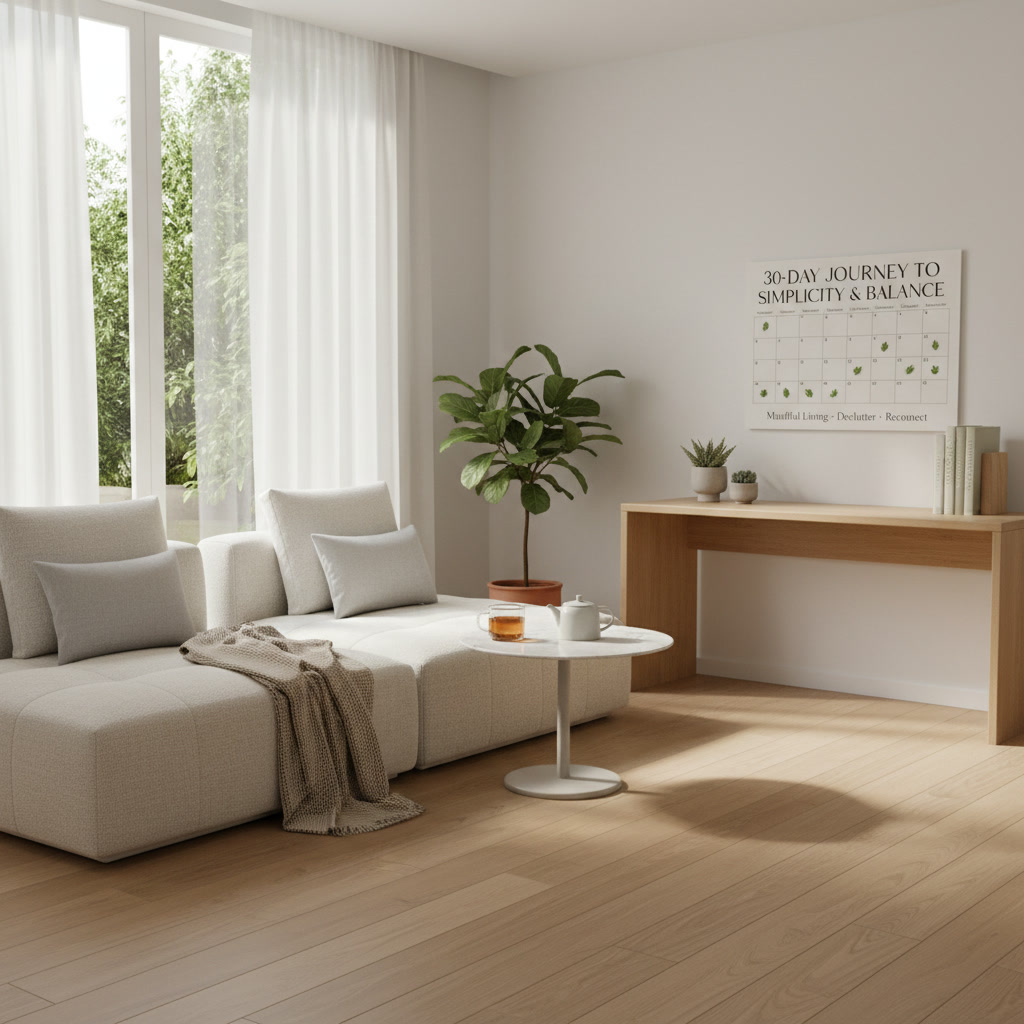
Each person has unique clutter challenges. List all areas you wish to improve—bedroom, phone, calendar, or social life. Break goals into small, daily tasks. For example, spend 15 minutes each day on a task. Use a calendar to mark your progress.
Tracking Your Progress and Motivation
Success comes from measuring steps. Create a checklist or use a journal. Note feelings and results each day to stay motivated. Ask friends or family to join you for support and accountability.
Week 1: Declutter Your Physical Space
How to Declutter Your Bedroom and Wardrobe
- Clear your bed for sorting.
- Empty your wardrobe and drawers.
- Sort clothes into three piles: keep, donate, toss.
- Return only what you use and love.
- Donate or recycle the rest within two days.
Organizing Kitchen and Living Areas
- Clear countertops and tables.
- Check your pantry and fridge for expired food. Throw away the old items.
- Sort utensils and kitchen tools. Remove duplicates or broken items.
- In the living room, keep only items you use or that make you happy.
- Store things in boxes or baskets neatly.
Tips for Tackling Storage Spaces and Paper Clutter
- Start with one drawer or box at a time.
- Set a timer for 15 minutes to stay focused.
- Recycle old papers and mail. Only keep important documents.
- Label storage boxes to find things easily later.
Week 2: Declutter Your Digital Life
Cleaning Up Your Devices and Files
- Delete unused apps from your phone and computer.
- Transfer important photos or files to a cloud or external drive.
- Organize folders and remove extra copies.
- Empty your recycle bin and clear your browser cache.
Unsubscribing and Streamlining Online Accounts
- Check your email for subscriptions you no longer read. Use “Unsubscribe” links.
- Delete or merge duplicate online accounts.
- Use a password manager to organize your logins securely.
Managing Social Media and Digital Distractions
- Unfollow accounts that no longer interest you.
- Mute notifications that interrupt your day.
- Limit social media use to a set time daily.
- Choose apps or browser extensions to block distractions.
Week 3: Declutter Your Calendar and Commitments
Assessing and Prioritizing Your Schedule
- Write out your weekly schedule.
- Circle the most important tasks and commitments.
- Identify unimportant or less rewarding activities.
Letting Go of Time-Wasting Obligations
- Politely decline invitations or tasks that do not support your goals.
- Delegate chores or responsibilities when possible.
- Reserve blocks of free time for relaxation or hobbies.
Balancing Work, Social, and Self-Care Activities
- List work, friends, family, and self-care needs.
- Ensure there is time each week for healthy meals, exercise, and rest.
- Adjust your schedule if you feel rushed or stressed.
Week 4: Declutter Your Mind and Relationships
Practicing Mindfulness and Mental Organization
- Start each day with a 5-minute breathing exercise or meditation.
- Write a daily to-do list to clear your mind.
- At night, journal your thoughts and feelings.
Simplifying Social Circles and Emotional Baggage
- Reflect on friendships and connections: Do they bring positivity?
- Limit time with negative or draining people.
- Forgive past mistakes—yours or others'—to move forward.
Setting Boundaries for a Healthier Lifestyle
- Politely communicate your needs and limits to others.
- Say “no” when you need to protect your time or energy.
- Regularly review and adjust your boundaries as needed.
Extra Tips and Tools for Long-Term Decluttering Success
Essential Decluttering Apps and Resources
- Use checklist apps like Google Keep or Todoist for daily goals.
- Try digital organization apps such as Evernote or OneDrive.
- Watch minimalism videos or read guides for extra inspiration.
How to Maintain a Clutter-Free Life Year-Round
- Once a week, review your spaces and digital life.
- Donate or recycle at least one unused item monthly.
- Stay mindful of new things you bring into your life.
FAQ: Common Questions About Decluttering in 30 Days
- What if I miss a day? Don’t worry—just continue the next day. Progress matters more than perfection.
- How do I start if I feel overwhelmed? Break tasks into smaller steps. Focus on one small area or task at a time.
- Do I have to throw everything away? No. You can donate, recycle, or give items to friends. Keep what adds value or joy to your life.
- How do I stay motivated? Involve friends or family, reward yourself for progress, and track your success regularly.
Final Thoughts: Embracing a Fresh Start in 2026
Decluttering your life in 30 days is a powerful way to reset for 2026. Each step helps create space for peace, focus, and joy. With clear goals and consistent habits, you can maintain a clutter-free and fulfilling lifestyle all year long.