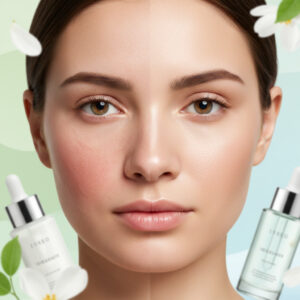
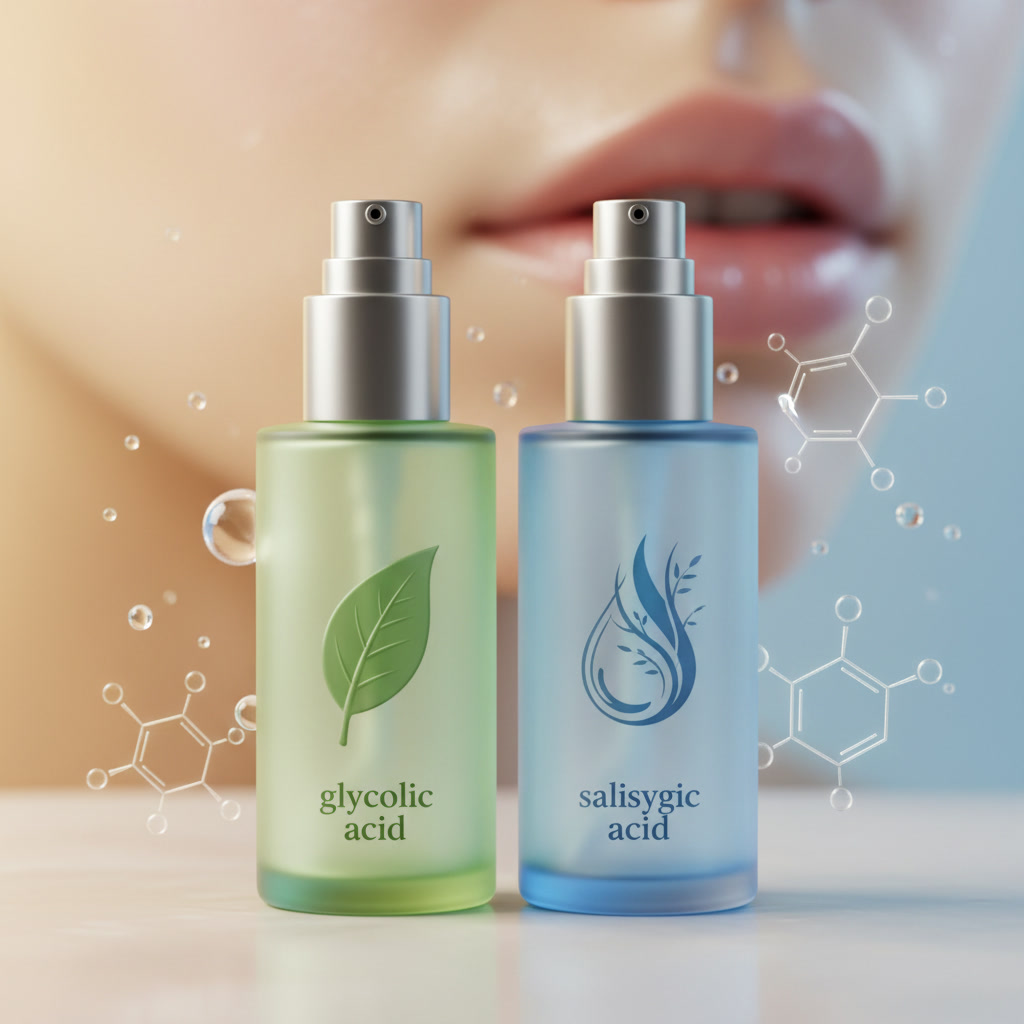
This guide is designed to help grade 9 readers understand the difference between glycolic acid and salicylic acid. You will learn what each acid does, how to choose the best one for your skin, and how to use them safely in your skincare routine. Both acids are popular for treating acne, improving skin texture, and reducing signs of aging. By the end of this guide, you’ll know how to use these acids for healthier skin.
Understanding Glycolic Acid and Salicylic Acid
What is Glycolic Acid? Key Properties and Benefits
Glycolic acid is a type of alpha-hydroxy acid (AHA). It is made from sugar cane. Glycolic acid has small molecules, which means it can penetrate the skin deeply. Its main benefits:
- Removes dead skin cells for smoother skin
- Brightens the skin and evens out tone
- Reduces fine lines and signs of aging
- Improves skin texture
What is Salicylic Acid? Key Properties and Benefits
Salicylic acid is a beta-hydroxy acid (BHA). It is made from willow bark. Salicylic acid is oil-soluble, so it works well on oily skin and clogged pores. Key benefits include:
- Unclogs pores and reduces acne
- Removes excess oil and prevents breakouts
- Soothes redness and calms inflammation
- Improves skin texture
Glycolic Acid vs Salicylic Acid: Main Differences Explained
Chemical Structure and How They Work
- Glycolic Acid: Water-soluble. Penetrates the upper layers of skin. Best for exfoliating and improving texture.
- Salicylic Acid: Oil-soluble. Penetrates deeper into pores. Best for treating acne and oily skin.
Target Skin Concerns: Acne, Aging, Texture & More
| Concern | Glycolic Acid | Salicylic Acid |
|---|---|---|
| Acne | Helps prevent but less effective | Very effective |
| Aging | Reduces fine lines | Less effective |
| Texture & Brightness | Great for smoothing | Improves uneven tone |
| Oily Skin | Some effect | Best choice |
| Sensitivity | May cause irritation | Milder, soothing |
Effects on Different Skin Types
- Glycolic Acid: Best for normal, dry, or aging skin. May irritate sensitive skin.
- Salicylic Acid: Ideal for oily, acne-prone, or sensitive skin. Gentle on most skin types.
How to Choose Between Glycolic Acid and Salicylic Acid
Matching Your Skin Concerns with the Right Acid
- Identify your main skin concern (acne, aging, texture, oiliness).
- If you have acne or oily skin, choose salicylic acid.
- If you want smoother, brighter skin or anti-aging, use glycolic acid.
Age, Sensitivity & Lifestyle Considerations
- Young skin may prefer salicylic acid for acne prevention.
- Mature skin benefits from glycolic acid for anti-aging.
- If you have very sensitive skin, use the lowest concentration and patch-test first.
- Busy lifestyle? Salicylic acid requires less care; glycolic acid needs sunscreen after use.
Step-By-Step: How to Use Glycolic Acid in Your Skincare Routine
Frequency and Application Tips
- Choose a glycolic acid product (toner, serum, or peel) under 10% concentration for beginners.
- Wash your face with a gentle cleanser.
- Apply glycolic acid evenly, avoiding eyes and lips.
- Leave on as directed (usually 1-5 minutes for peels).
- Rinse well and follow with moisturizer.
- Use 1-2 times per week, building up slowly as tolerated.
- Always apply sunscreen during the day while using glycolic acid.
Combining Glycolic Acid with Other Skincare Ingredients
- Do not mix with retinol or vitamin C on same night to avoid irritation.
- Safe to combine with hydrating products like hyaluronic acid or ceramide creams.
- Wait 24 hours before using other strong exfoliants.
Step-By-Step: How to Use Salicylic Acid in Your Skincare Routine
Frequency and Application Tips
- Pick a salicylic acid product (cleanser, spot treatment, or serum) 0.5%-2% concentration for beginners.
- Cleanse your skin gently.
- Apply salicylic acid to areas prone to acne or oiliness.
- Leave on as directed (don’t rinse off leave-on serums).
- Moisturize to keep skin hydrated.
- Use daily or every other day based on skin tolerance.
- Apply sunscreen, as salicylic acid can make skin sensitive to sunlight.
Combining Salicylic Acid with Other Skincare Ingredients
- Avoid combining with strong retinoids or AHAs at same time to prevent irritation.
- Works well with gentle, hydrating products.
- Can be paired with niacinamide to soothe and strengthen skin.
Safety, Side Effects & Precautions: Glycolic Acid vs Salicylic Acid
Common Reactions and How to Avoid Them
- Redness or stinging may occur—reduce frequency or use a lower concentration.
- Dryness—always follow with moisturizers.
- Sun sensitivity—use daily sunscreen.
When to Consult a Dermatologist
- If you have eczema, severe acne, or chronic skin conditions, ask a dermatologist first.
- Stop use immediately if you experience swelling, blisters, or pain.
- Dermatologists can suggest best products and concentrations for your skin type.
Expert Advice and Real-Life Success Stories
- Emma, 15, struggled with acne. She used a 2% salicylic acid cleanser and saw clearer skin in two weeks.
- Mike, 40, wanted smoother skin. He started a 5% glycolic acid serum and noticed fewer wrinkles after a month.
- Experts recommend patch-testing any acid before full use and increasing strength slowly.
FAQ: Glycolic Acid vs Salicylic Acid for Beginners
- Q: Can I use both acids at the same time? A: Not recommended. Use on alternate days to avoid irritation.
- Q: Which is better for blackheads? A: Salicylic acid works best.
- Q: How fast will I see results? A: Usually within 2-4 weeks with regular use.
- Q: Are these acids safe for teens? A: Yes, but start with lower percentages and patch-test.
- Q: Can I use acids in the morning? A: Yes, but always protect skin with sunscreen.
Key Points: Glycolic acid and salicylic acid each treat different skin concerns. Salicylic acid is best for acne and oily skin, glycolic acid for aging and dryness. Start slow, patch-test, and always use sunscreen. If unsure, consult a dermatologist.
Next Steps: Decide your skin’s main needs. Choose the right acid. Add it to your skincare. Monitor results and adjust frequency. Stay safe, and enjoy healthier skin!