Understanding Combination Skin
Characteristics of Combination Skin
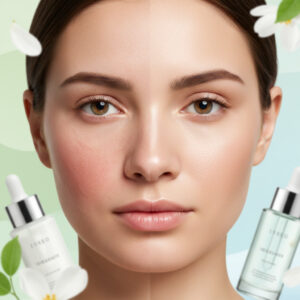
Combination skin means your face has both oily and dry or normal areas. The T-zone (forehead, nose, chin) is often oily, while cheeks are drier or normal. Skin may look shiny in some spots and feel tight in others.
Common Challenges and Causes
Combination skin can be caused by genetics, hormonal changes, or using products not suited for your skin type. It can be hard to balance oil control and hydration. Breakouts may occur in oily areas while dry spots may feel rough or irritated.
How to Identify Your Skin’s Needs
Look for shiny areas, especially by midday. Notice dry flaking or redness on cheeks or jawline. Examine how your skin feels after cleansing. If your skin seems different in various areas, you likely have combination skin.
Essential Steps in the Best Skincare Routine for Combination Skin
Cleansing: Balancing Without Stripping
- Choose a gentle, foaming cleanser that removes oil but doesn’t dry out your skin.
- Wash with lukewarm water, not hot or cold.
- Massage gently for about 30 seconds, focusing on the oily T-zone, then rinse.
Toning: Restoring and Refining
- Pick an alcohol-free toner with soothing and balancing ingredients.
- Apply the toner using a cotton pad or your hands.
- Pat gently onto your face, avoiding harsh rubbing, to refine pores and prepare for moisturizer.
Moisturizing: Hydration for Mixed Zones
- Use a lightweight, oil-free moisturizer for your whole face.
- For very dry areas, layer a richer cream on top only where needed.
- Always let each layer absorb fully before adding the next.
Targeted Treatments (Serums & Actives)
- Apply a serum with niacinamide to reduce oil and redness.
- Use spot treatments (like salicylic acid) on breakouts if needed.
- Exfoliate gently 1-2 times per week using a mild chemical exfoliant, focusing on rough or oily areas.
Sun Protection: Choosing the Right SPF
- Pick a broad-spectrum sunscreen with at least SPF 30, labeled non-comedogenic.
- For oily zones, a gel-based sunscreen works well; for dry areas, try a hydrating sunscreen.
- Apply sunscreen every morning after moisturizer, even on cloudy days.
Morning vs. Night Skincare Routine for Combination Skin
Daytime Routine Breakdown
- Cleanse gently with a mild face wash.
- Apply toner to balance skin.
- Use a light moisturizer or gel cream.
- Apply sunscreen as the final step.
- Optional: Dab on an antioxidant serum for extra protection.
Nighttime Routine Breakdown
- Remove makeup and cleanse your face.
- Apply toner to prep your skin.
- Use any targeted treatments (serums or spot treatments).
- Moisturize well, adding a thicker product to dry zones if needed.
- Optional: Apply a hydrating mask once a week for extra moisture.
Adjusting for Seasonal and Environmental Changes
- In winter, use richer creams and add hydrating serums.
- In summer, focus on oil-free and lighter textures.
- Watch for extra oil production on humid days or extra dryness on windy, cold days.
Product Recommendations: The Best Skincare for Combination Skin (2026)
Top Cleansers for Combination Skin
- Foaming gentle cleansers: Remove oil without drying.
- Cream gel cleansers: Balance hydration and cleanliness.
- Avoid harsh soaps or strong acids daily.
Best Toners and Essences
- Alcohol-free toners with soothing ingredients like rose water or green tea.
- Hydrating essences with hyaluronic acid to add moisture.
Lightweight Moisturizers and Gels
- Oil-free gel creams with glycerin or hyaluronic acid.
- Non-comedogenic lotion for morning and richer cream for night if needed.
Serums and Spot Treatments
- Niacinamide or vitamin C serums for balancing and brightening.
- Salicylic acid or benzoyl peroxide spot treatments for pimples.
Effective Sunscreens
- Gel-based SPF for oily areas.
- Hydrating SPF for dry patches.
- Mineral sunscreens work well for sensitive mixed skin.
Expert Tips to Optimize Your Skincare Routine
Ingredients to Look For (And Avoid)
- Look for: Hyaluronic acid, niacinamide, green tea, ceramides, vitamin C.
- Avoid: Harsh alcohols, strong fragrances, heavy oils, sodium lauryl sulfate.
Layering Products Effectively
- Always cleanse first.
- Toner comes second for prep.
- Apply lightweight serums before moisturizer.
- Use spot treatments before creams.
- Finish with sunscreen in the morning.
DIY Solutions and Home Remedies
- Use oatmeal masks to soothe dry areas.
- Honey has natural antibacterial properties for spot treatments.
- Avoid lemon juice or baking soda—they can damage your skin.
Frequently Asked Questions About Combination Skin Care
- How often should I wash my face with combination skin? Twice a day is best, morning and night.
- Can I use the same product all over my face? Yes, but you may want to layer richer products only on dry areas.
- Will sunscreen make my oily areas worse? Use gel-based or oil-free formulas to avoid extra shine.
- Should I exfoliate often? No, one to two times per week is enough to prevent irritation.
Resources and Further Reading on Skincare Science
- American Academy of Dermatology – Skincare Basics
- National Institute of Health – Skin Physiology
- Books: “The Science of Skincare” (2026 edition), “Routine Revolution”
- Dermatologist Q&As and skincare science videos on verified health sites