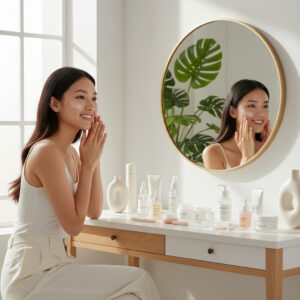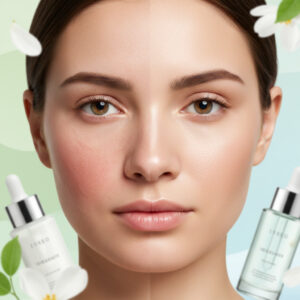
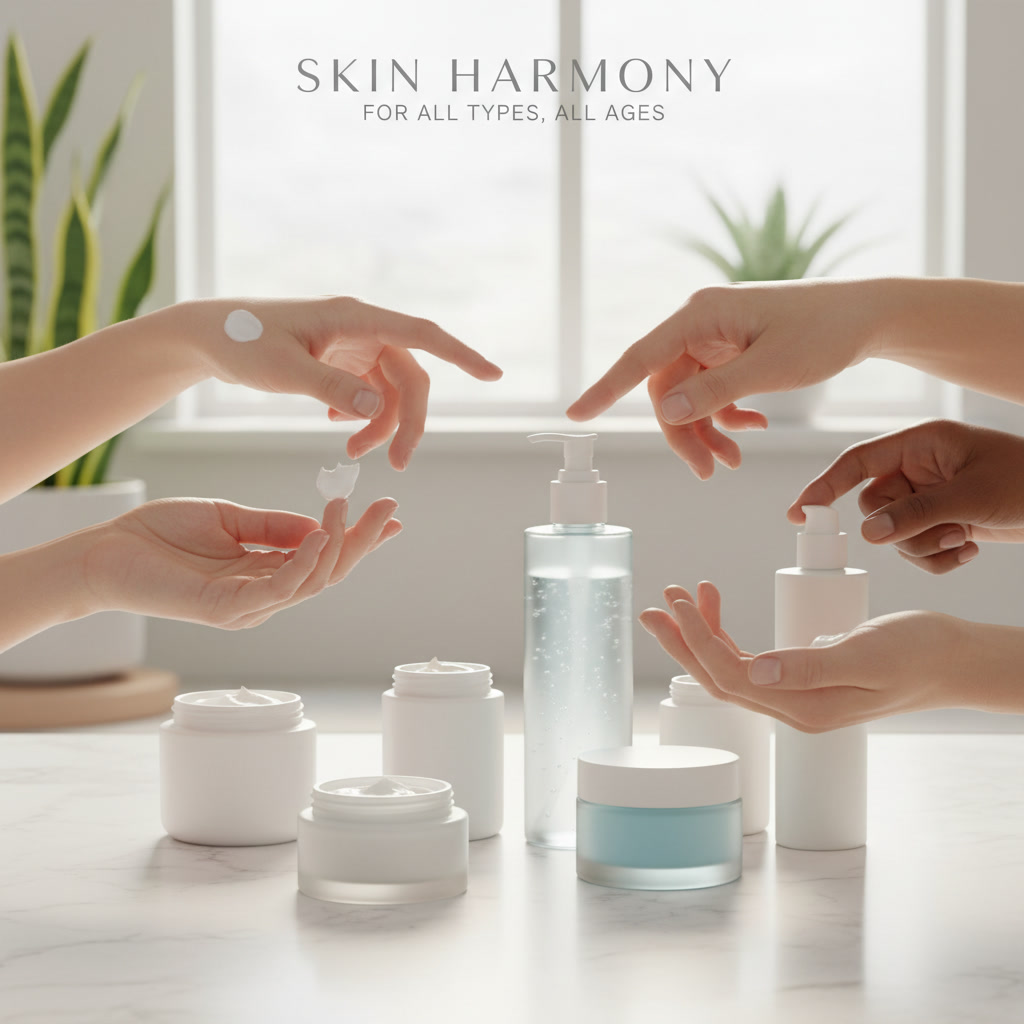
Finding the right moisturizer can be confusing, especially with so many products on the market. This guide will help grade 9 students understand how to pick the best moisturizer for their unique skin type, keeping their skin healthy and hydrated. We will explain the background, required tools, step-by-step process, common issues, advanced tips, and summarise the key points for easy reference.
Understanding Moisturizers: What They Do and Why You Need One
The Science Behind Moisturizers
Moisturizers are skincare products designed to help your skin stay hydrated. They work by locking water into your skin, preventing dryness and irritation. Most moisturizers contain special ingredients called humectants, which attract water, and occlusives, which form a barrier to keep moisture from escaping.
Benefits of Using the Right Moisturizer
- Reduces dryness and flakiness
- Protects skin from environmental damage
- Improves skin texture and softness
- Helps manage skin conditions like acne or eczema
- Keeps skin looking youthful and healthy
Identifying Your Skin Type Before Choosing a Moisturizer
Knowing your skin type helps in finding the perfect moisturizer. Check your skin using simple observations.
Dry Skin
Dry skin feels tight, rough, or flaky. It often needs a thick, creamy moisturizer rich in hydrating ingredients.
Oily Skin
Oily skin looks shiny and may have enlarged pores. Choose light, oil-free, gel-based moisturizers that won’t clog pores.
Combination Skin
This skin type has both oily and dry areas, usually oily in the T-zone (forehead, nose, chin) and dry on cheeks. Use a balanced lotion or combine different products for each area.
Sensitive Skin
Sensitive skin may react easily, showing redness or irritation. Look for fragrance-free and hypoallergenic formulas with soothing ingredients.
Key Factors to Consider When Selecting a Moisturizer
Ingredients to Look For and Avoid
| Recommended Ingredients | Ingredients to Avoid |
|---|---|
| Hyaluronic acid | Alcohol |
| Glycerin | Fragrance |
| Ceramides | Sulfates |
| Aloe vera | Parabens |
Texture and Formulation (Cream, Lotion, Gel, etc.)
- Cream: Ideal for dry skin, thick and hydrating
- Lotion: Good for normal or combination skin, lighter texture
- Gel: Best for oily or acne-prone skin, non-greasy
Seasonal and Environmental Considerations
- Winter: Choose richer, thicker products for extra protection
- Summer: Opt for lightweight or oil-free formulas
- Pollution: Pick moisturizers with antioxidants to help fight environmental damage
Moisturizers for Different Skin Concerns
Acne-Prone Skin
Use oil-free, non-comedogenic moisturizers with ingredients like niacinamide or salicylic acid to help reduce breakouts.
Aging and Mature Skin
Look for moisturizers packed with peptides, antioxidants, and retinol to support skin repair and reduce signs of aging.
Hyperpigmentation and Redness
Pick products containing vitamin C, licorice extract, or azelaic acid to brighten skin and reduce redness.
How to Test and Apply Moisturizer Effectively
Patch Testing for Allergies or Irritation
- Apply a small amount of moisturizer on your inner wrist or behind your ear.
- Wait 24 hours and check for redness, itchiness, or swelling.
- If no reaction occurs, the product is likely safe for full-face use.
Correct Application Techniques for Maximum Absorption
- Wash your face with a gentle cleanser and pat dry.
- Take a pea-sized amount of moisturizer.
- Apply evenly over your face using upward, circular motions.
- Do not rub hard; gentle application helps product absorb better.
- Use morning and night for best results.
Frequently Asked Questions: How to Choose the Right Moisturizer
- Can I use the same moisturizer year-round? No. Adjust your moisturizer based on seasonal changes for optimal skin health.
- What if my skin feels greasy after applying moisturizer? Try a lighter, oil-free formula. Use less product per application.
- Is moisturizer necessary for oily skin? Yes. Oily skin needs hydration to prevent producing even more oil.
- How often should I apply moisturizer? Twice a day, morning and night, is ideal for most skin types.
Expert Tips for Maintaining Healthy, Hydrated Skin in 2026
- Check ingredients and avoid products with harsh chemicals.
- Drink plenty of water every day.
- Apply moisturizer while your skin is still damp for better absorption.
- Don’t skip moisturizer even if you have oily skin—choose the right one for your type.
- Protect your skin with sunscreen after moisturizing, especially during the day.
- Rotate your moisturizers according to season and skin needs.
- Keep your skincare routine simple; avoid excessive products.
Summary: Key Points and Next Steps
- Identify your skin type to find the perfect match.
- Read product labels and choose moisturizers based on ingredients, texture, and climate.
- Patch test before full application to avoid irritation.
- Apply moisturizer correctly and regularly for the best results.
- Review your routine each season and adjust as needed.
Start by examining your skin type, collect information about possible moisturizers, and experiment safely. Your next step: visit a local pharmacy or skincare store, use this guide, and pick your ideal moisturizer for healthy, glowing skin in 2026!