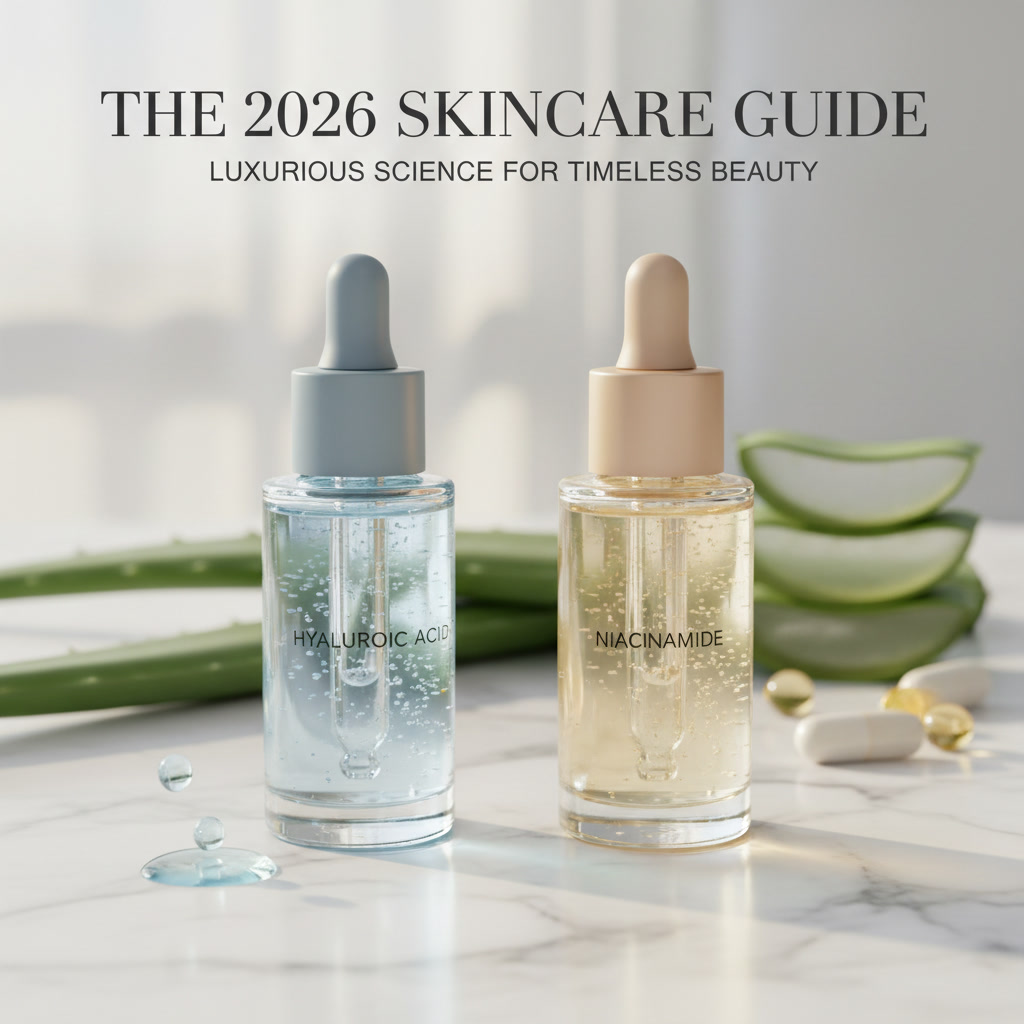
Understanding the Basics: Hyaluronic Acid vs Niacinamide Explained
What Is Hyaluronic Acid?
Hyaluronic acid is a molecule that naturally exists in our skin and joints. It acts like a sponge, holding onto water and keeping skin moist. When used in skincare, it attracts water from the air or deeper skin layers, making our skin look smooth and plump.
What Is Niacinamide?
Niacinamide is a form of vitamin B3. It helps the skin by strengthening the barrier, reducing redness, and controlling oil. Niacinamide is famous for balancing skin tone and calming irritation. It is gentle and suitable for most skin types.
Key Benefits of Hyaluronic Acid and Niacinamide
- Hyaluronic Acid: Deep hydration, plumpness, smooth texture, supports skin’s moisture barrier.
- Niacinamide: Reduces redness, controls oil, evens skin tone, minimizes pores, fights fine lines.
Comparing Hyaluronic Acid and Niacinamide for Different Skin Types
Best Uses for Dry, Oily, and Combination Skin
- Dry Skin: Hyaluronic acid is excellent for boosting moisture. Use it first, then layer a moisturizer.
- Oily Skin: Niacinamide helps control excess oil and shrink pores. It is ideal for oily skin types.
- Combination Skin: Both ingredients can be used. Hyaluronic acid hydrates dry areas, while niacinamide balances oily parts.
Sensitivity and Tolerance Considerations
Both hyaluronic acid and niacinamide are gentle. They rarely cause irritation. If you have sensitive skin, start with low concentrations and observe how your skin reacts. Always patch test before applying any new product.
Which to Choose for Specific Skin Concerns (Acne, Aging, Redness, Dehydration)
| Skin Concern | Best Ingredient | Why? |
|---|---|---|
| Acne | Niacinamide | Calms redness, controls oil, reduces breakouts |
| Aging | Both | Hyaluronic acid hydrates; niacinamide smooths fine lines |
| Redness | Niacinamide | Reduces inflammation and irritation |
| Dehydration | Hyaluronic Acid | Boosts skin moisture instantly |
How to Use Hyaluronic Acid and Niacinamide Together in Your Routine
Layering Order: What Comes First?
- Cleanse your face to remove dirt and oil.
- Apply hyaluronic acid serum while your skin is slightly damp to help lock in moisture.
- Follow with niacinamide serum or cream.
- Finish with moisturizer and sunscreen in the morning, or moisturizer at night.
Product Types and When to Apply Each
- Serum: Use hyaluronic acid serum right after cleansing and before heavier products.
- Cream: Niacinamide can be found in creams and lotions. Apply after serum but before moisturizer.
- Sunscreen: Always apply sunscreen as the last step in your morning routine.
Dos and Don’ts for Maximum Results
- Do patch test each product before full use.
- Do layer hyaluronic acid under niacinamide for best absorption.
- Don’t mix them in your hand – apply one after the other for optimal results.
- Don’t skip moisturizer, especially after hyaluronic acid.
Common Myths and Mistakes About Hyaluronic Acid vs Niacinamide
Debunking Popular Skincare Misconceptions
- Myth: You can’t use hyaluronic acid and niacinamide together. Truth: They work well together.
- Myth: Niacinamide will dry your skin. Truth: It helps balance skin, not dry it out.
- Myth: Hyaluronic acid can replace moisturizer. Truth: It boosts moisture but doesn’t lock it in; always use moisturizer.
Pitfalls to Avoid When Mixing Actives
- Don’t use too many actives at once. Stick to basics to avoid irritation.
- Don’t skip sunscreen; some ingredients can make skin sensitive to the sun.
- Don’t apply to broken skin or active wounds.
- Watch for signs of irritation and stop use if needed.
Hyaluronic Acid vs Niacinamide: Real User Experiences and Dermatologist Advice
Case Studies: Who Saw the Best Results?
- Users with dry and dull skin noticed plumper, brighter skin after using hyaluronic acid.
- Those with oily or acne-prone skin saw reduced shine and fewer breakouts using niacinamide.
- Combination skin users report better balance, less redness, and improved texture when using both.
Expert Opinions on Combining or Choosing Actives
- Dermatologists agree both ingredients are safe and effective for all skin types.
- Experts suggest starting with one, then adding the other if your skin tolerates them well.
- Choose based on your main skin concern; combine for the best results.
How to Choose Between Hyaluronic Acid and Niacinamide for Your Skincare Routine
Factors to Consider Based on Your Skin Goals
- Choose hyaluronic acid if you want a boost in hydration and plumpness.
- Pick niacinamide if targeting redness, oil, or blemishes.
- Use both if your goals include hydration, even skin tone, and fewer breakouts.
- Check product concentrations and ingredients for skin compatibility.
How to Test New Ingredients Safely
- Apply a small amount to your inner wrist or behind your ear.
- Wait 24-48 hours for any reaction like redness, itching, or bumps.
- If safe, start with lower concentrations and increase as tolerated.
- Introduce only one new product at a time.
FAQ: Everything You Need to Know About Hyaluronic Acid and Niacinamide
- Can I use hyaluronic acid and niacinamide every day? Yes, both are safe for daily use.
- Are hyaluronic acid and niacinamide suitable for teens? Yes, they are gentle and can help with dehydration and acne.
- Should I use hyaluronic acid or niacinamide first? Use hyaluronic acid on damp skin, then niacinamide.
- Do I need a moisturizer if I use hyaluronic acid? Yes, always follow hyaluronic acid with a moisturizer.
- Can I use these ingredients with other actives? Yes, but avoid overloading your routine. Start basic and build slowly.
Preparation: Tools and Materials You Need
- Gentle cleanser
- Hyaluronic acid serum
- Niacinamide serum or cream
- Moisturizer
- Sunscreen (for daytime)
- Clean towels
Step-by-Step Guide: Achieve Healthier Skin with Hyaluronic Acid and Niacinamide
- Step 1: Cleanse – Use a gentle cleanser to remove dirt and oil.
- Step 2: Apply Hyaluronic Acid – With skin still damp, dot hyaluronic acid serum all over the face and pat gently.
- Step 3: Apply Niacinamide – After hyaluronic acid absorbs, smooth niacinamide over your face. Wait about one minute.
- Step 4: Moisturize – Apply a moisturizer to seal in hydration and help actives work better.
- Step 5: Sunscreen – In the morning, finish with sunscreen to protect your skin.
Common Issues and Solutions
- Sensitivity or redness: Stop use, try lower concentrations, and consult with a dermatologist if needed.
- Dryness: Add richer moisturizer and drink plenty of water.
- Breakouts: Check product ingredients and avoid mixing too many actives.
- Sticky feeling: Allow actives to absorb fully before layering.
Advanced Tips: Optimizing Your Routine
- Use a humidifier to boost hyaluronic acid’s effect in dry climates.
- Try niacinamide in higher concentrations (up to 10%) if your skin tolerates it well.
- Alternate morning and evening use if combining feels heavy.
- Consult a dermatologist for personalized routines or stubborn skin concerns.
Summary and Next Steps
Both hyaluronic acid and niacinamide can help you achieve healthier, more balanced skin. Hyaluronic acid boosts hydration and plumpness; niacinamide calms redness and controls oil. They are safe for teens and adults and easy to add to your daily routine. Identify your main skin concern, choose the best ingredient or combine both, and always patch test. With simple steps and regular care, your skin can look and feel its best. Start today—healthy skin awaits!