What Is a Minimalist Lifestyle?
Defining Minimalism for Beginners
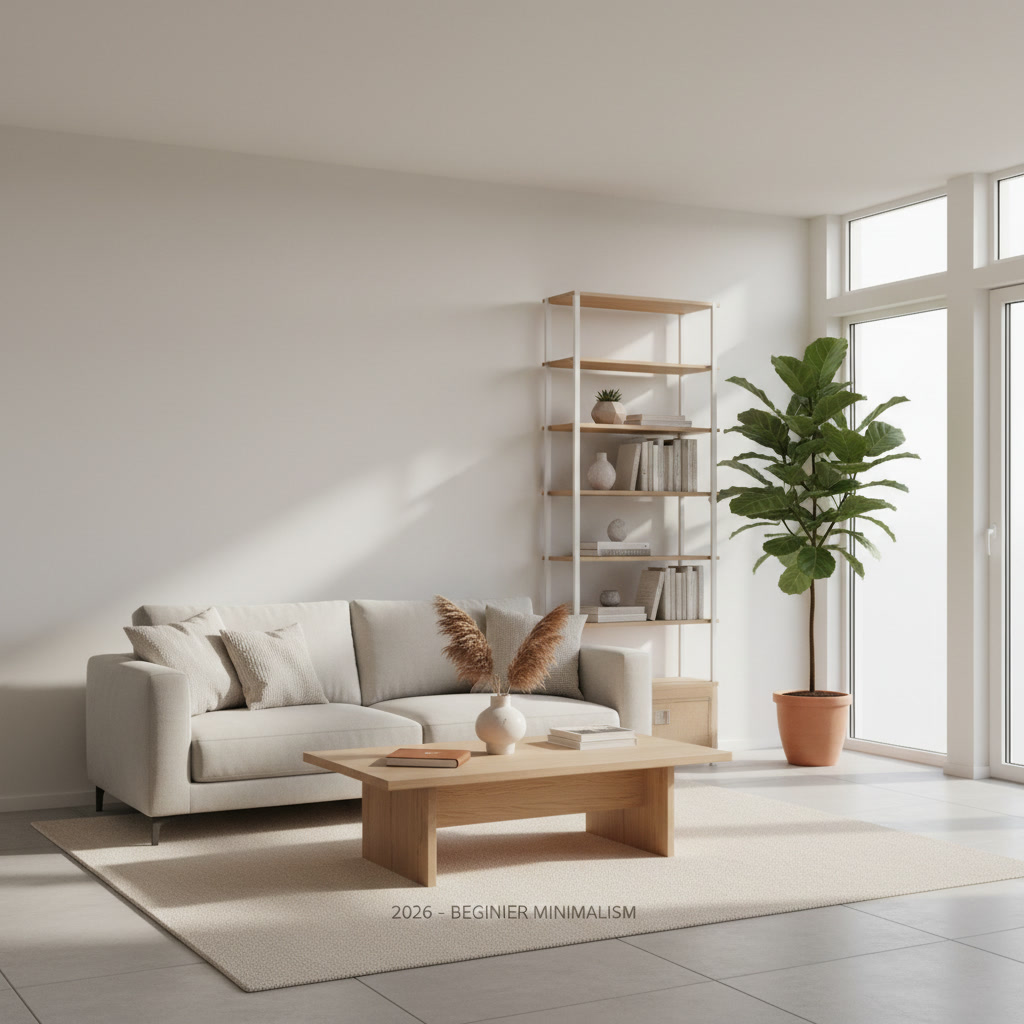
Minimalism is a lifestyle choice that focuses on living with fewer things, reducing clutter, and making more mindful decisions. It is about keeping only items that add real value to your life and letting go of the rest.
The Benefits of Embracing Minimalism in 2026
In 2026, minimalism can help you save money, reduce stress, and free up time for what matters most. It also supports eco-friendly living by reducing waste and encouraging sustainable habits.
Common Myths About Minimalism
- Minimalists own almost nothing – In reality, you keep what is useful and meaningful.
- Minimalism is boring – It allows you to focus on what brings joy.
- You have to give up your hobbies – Minimalism means making space for what you love.
Why Start a Minimalist Lifestyle as a Beginner
Signs It’s Time to Simplify
- Your spaces feel crowded and stressful.
- You spend too much time cleaning or organizing.
- Shopping and owning things no longer bring happiness.
Minimalism and Mental Wellness
Having less clutter can lower anxiety and create a calm, peaceful environment. This supports mental wellness and helps you think more clearly.
Financial, Environmental, and Time-Saving Benefits
- Spend less money on unnecessary shopping.
- Reduce environmental impact by buying less.
- Save time cleaning, organizing, and searching for things.
Essential Minimalist Lifestyle Tips for Beginners
Start Small: Decluttering Room by Room
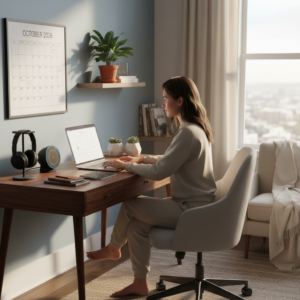
- Pick one room to start with, like your bedroom or desk area.
- Sort items into three groups: keep, donate/sell, recycle/trash.
- Ask yourself: “Do I use this? Does it make me happy?”
- Repeat this process for each room over time.
Choosing Quality Over Quantity
- Before buying, think about how often you will use the item.
- Buy fewer items, but choose sturdy, long-lasting things.
Setting Personal Boundaries and Intentions
- Decide what is most important to you: hobbies, family, health, or creativity.
- Say no to things or activities that don’t fit your goals.
Managing Digital Clutter in a Digital Age
- Delete apps and files you do not use from your phone and computer.
- Unsubscribe from emails and notifications that aren’t useful.
Practicing Mindful Purchasing
- Wait 24 hours before buying something new.
- Ask: “Do I need this, or do I just want it?”
Creating Your Minimalist Home
Minimalist Organization Hacks for Beginners
- Use small containers or boxes to keep similar things together.
- Label storage so you can find items easily.
- Give each item a home—never leave things lying around.
Essential Furniture and Décor Choices
- Pick multi-purpose furniture: a bed with drawers or a table with shelves.
- Use décor items that are meaningful, like photos or art you love.
Maintaining a Minimalist Space: Habits for Success
- Spend 5 minutes each day tidying up.
- Before bringing something new into your home, consider what you will remove.
Minimalist Routines and Habits for Everyday Life
Simplifying Your Daily Schedule
- List the 3 most important tasks for the day.
- Don’t overbook — leave space for rest and reflection.
Streamlining Your Wardrobe: Capsule Closet Tips
- Choose a few favorite pieces that mix well together.
- Donate clothes you haven’t worn in the past year.
Minimalist Meal Planning and Food Shopping
- Plan simple meals with a few ingredients each week.
- Shop with a list to avoid impulse buying.
Mindfulness Practices That Complement Minimalism
- Take a few deep breaths before starting your day.
- Enjoy moments of silence to help clear your mind.
Overcoming Challenges When Starting a Minimalist Lifestyle
Dealing with Emotional Attachments to Stuff
- Take photos of items that have memories but no purpose.
- Remember: letting go of things is not letting go of memories.
Navigating Family and Social Expectations
- Explain your goals to family and friends.
- Ask for understanding and support in your new lifestyle.
Staying Motivated on Your Minimalism Journey
- Set small, achievable goals and celebrate progress.
- Join minimalist groups or follow online communities for tips and support.
Resources for Beginner Minimalists
Books, Podcasts, and Websites to Get Inspired
- Books: “The Minimalist Home” by Joshua Becker, “Goodbye, Things” by Fumio Sasaki
- Podcasts: “The Minimalists Podcast,” “The Slow Home Podcast”
- Websites: TheMinimalists.com, BeMoreWithLess.com
Minimalist Online Communities and Support
- Reddit: r/minimalism
- Facebook: Minimalist living groups
- Instagram: Follow #minimalism for ideas
Tracking Your Progress and Celebrating Wins
- Keep a simple journal to log your decluttering progress.
- Take before and after photos of your spaces.
- Share your achievements with supportive friends or groups.
Minimalist Lifestyle FAQ for Beginners
- Q: Do I need to get rid of everything to be a minimalist?
A: No, minimalism is about keeping what matters and letting go of what does not add value. - Q: Is minimalism expensive?
A: Minimalism helps you save money by buying less and choosing items wisely. - Q: How do I start if I feel overwhelmed?
A: Begin with one small area—a desk, shelf, or corner—then go step by step.
Summary: Key Points and Next Steps
Minimalism is about simplifying your life, saving time and money, and reducing stress. Start small, focus on what adds value, and build simple routines into your home and day. Remember to set boundaries, manage digital and physical clutter, and celebrate your progress. Join online groups for support, and track your journey to stay motivated. Take the first step today, and enjoy the benefits of minimalist living!