
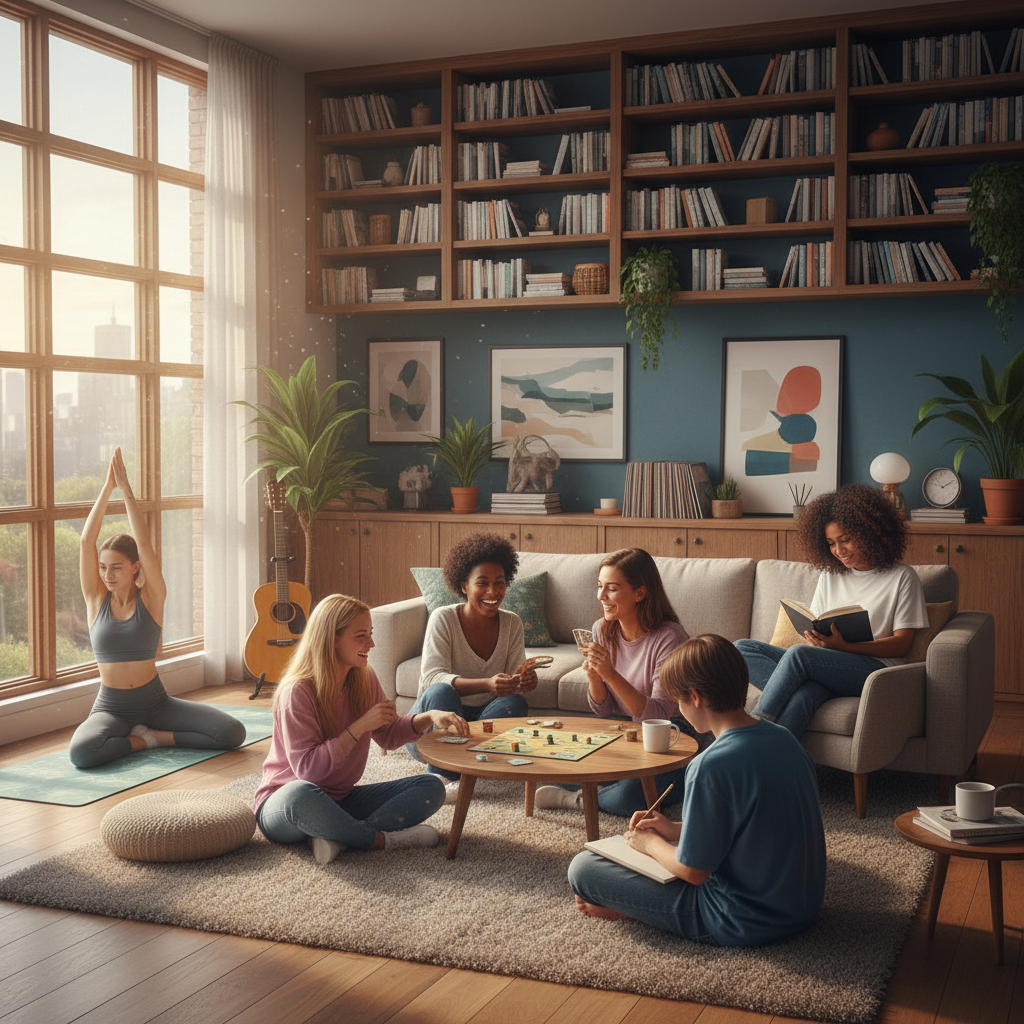
Why Reducing Screen Time Matters in 2026
The Impact of Excessive Screen Time on Health and Wellbeing
Spending too much time on screens is linked to eye strain, poor sleep, and decreased physical activity. Mental health issues, such as anxiety and depression, are also becoming common among teens who spend prolonged hours online. It's important to balance your screen time to maintain healthier habits.
Recent Trends in Digital Device Usage
In 2026, digital device usage remains at an all-time high. People rely on smartphones, tablets, and computers for school, socializing, and entertainment. However, surveys show that most teenagers feel overwhelmed by constant notifications and wish for more offline experiences.
Recognizing When Screen Time Becomes Too Much
If you regularly feel tired, distracted, or struggle to focus away from screens, it may be a sign your screen time is excessive. Notice if you’re missing out on social events or hobbies because you’re occupied online. These are early warnings that cutting back could help.
Preparing for a Screen Time Reduction Journey
Assessing Your Current Screen Habits
- Track your daily screen use for a week, noting which apps or activities take most of your time.
- Identify whether your usage is mainly for school, entertainment, or social media.
- Reflect on how you feel after long screen sessions, physically and mentally.
Setting Realistic, Personalized Screen Time Goals
- Review your tracked habits and decide on a reasonable daily limit.
- Set short-term goals (for example, reduce by 30 minutes per day for a week).
- Adjust according to your needs—not everyone has the same screen requirements.
Tools and Apps to Track and Limit Screen Usage
- Use built-in screen time monitors on your devices to set limits.
- Try apps like Forest or RescueTime to block distracting sites and encourage focus.
- Schedule automatic downtime sessions on your devices for breaks.
How to Reduce Screen Time Without Getting Bored: Core Strategies
Exploring New Offline Hobbies and Interests
- List hobbies you have wanted to try, like music, sports, or cooking.
- Choose one to start and gather any needed materials (book, equipment, etc.).
- Schedule regular sessions to practice your new hobby.
Socializing Without Screens: Building In-Person Connections
- Invite friends for board games, sports, or group study.
- Organize family activities like walks, picnics, or shared cooking times.
- Attend local clubs or community events to meet new people offline.
Creating a Tech-Free Home Environment
- Designate certain rooms or hours as technology-free zones.
- Store devices away during meals and before bedtime.
- Keep books, puzzles, or art supplies accessible for quick offline enjoyment.
Structuring a Balanced Daily Routine
- Plan your day with scheduled offline blocks for work, rest, and hobbies.
- Use checklists to balance schoolwork, chores, and recreation.
- Stick to regular sleep times to combat late-night scrolling.
Mindfulness and Intentional Technology Use
- Ask yourself why you are reaching for your device—is it boredom or necessity?
- Pause before opening apps and decide if the activity adds value.
- Practice mindful breathing or meditation when you feel the urge for screen time.
Fun and Engaging Alternatives to Screen-Based Activities
Physical Activities, Exercise, and Outdoor Adventures
- Try jogging, cycling, or playing sports like basketball or soccer.
- Go hiking or explore local parks for fresh air and adventure.
- Join fitness classes or practice yoga at home.
Arts, Crafts, and Creative Expression
- Draw, paint, or build models to boost creativity.
- Experiment with photography using a digital or film camera.
- Write stories, poems, or keep a journal offline.
Reading, Puzzles, and Brain Games
- Read books, magazines, or comics instead of web articles.
- Solve jigsaw puzzles or crosswords for mental stimulation.
- Try chess, Sudoku, or board games with friends and family.
Learning New Skills Offline
- Take up cooking, gardening, or learn to play a musical instrument.
- Participate in workshops or lessons available nearby.
- Volunteer for community work and gain practical experience.
Overcoming Common Challenges When Reducing Screen Time
Managing FOMO and Digital Withdrawal
- Remind yourself why you want less screen time—it’s for your health and happiness.
- Stay busy with your new hobbies and offline activities.
- Limit notifications and check messages at set times, not constantly.
Dealing with Peer and Family Expectations
- Explain your reasons to friends and family so they can support your goals.
- Suggest tech-free group activities to build understanding.
- Be patient—others may take time to accept your new habits.
Staying Motivated for the Long Term
- Review your progress weekly to see positive effects in your mood and energy.
- Reward yourself for milestones like maintaining limits for a month.
- Join online communities focused on digital detox for encouragement.
FAQ: Reducing Screen Time Without Getting Bored
- How quickly should I reduce my screen time? It’s safer to start slow, lowering usage gradually each week.
- What if I need screens for school? Use screens when necessary and balance with offline studying.
- What if my friends want to connect online? Suggest meeting up in person or scheduling calls instead of endless chats.
- Is it okay to have some screen time? Yes, moderation is key. Aim for balanced, intentional use.
Resources for Reducing Screen Time and Staying Engaged in 2026
| Resource | How It Helps |
|---|---|
| Forest | Encourages focus by planting virtual trees as you stay offline. |
| RescueTime | Monitors device activity and gives reports to help set limits. |
| Headspace | Guided mindfulness to reduce impulsive device use. |
| Local Libraries | Offer workshops, books, and places for offline activities. |
| Community Centers | Host classes, sports, and art activities for teens. |
Summary: Key Takeaways and Next Steps
Reducing screen time is vital for better health and mental wellness, especially in 2026. Start by tracking your habits, set clear goals, and use helpful apps to monitor progress. Explore offline hobbies, hang out with friends in person, and create tech-free spaces at home. When challenges come up, stay motivated and seek support from your community. By following these steps, you can reduce screen time without getting bored and enjoy a more balanced life.